A ماكينة نفخ الأفلام المنفوخة is one of the core pieces of equipment in the global plastic packaging industry, yet many buyers only have a basic understanding of its function.
This article systematically explains the structural composition, working principle, and industrial value of a blown film machine, helping decision-makers evaluate equipment more professionally.
The Three Main Structural Systems of a Blown Film Machine
A blown film machine is typically composed of three fundamental structural systems. These systems work together to ensure stable production, consistent film quality, and high output efficiency, forming the technical core of a modern blown film line.
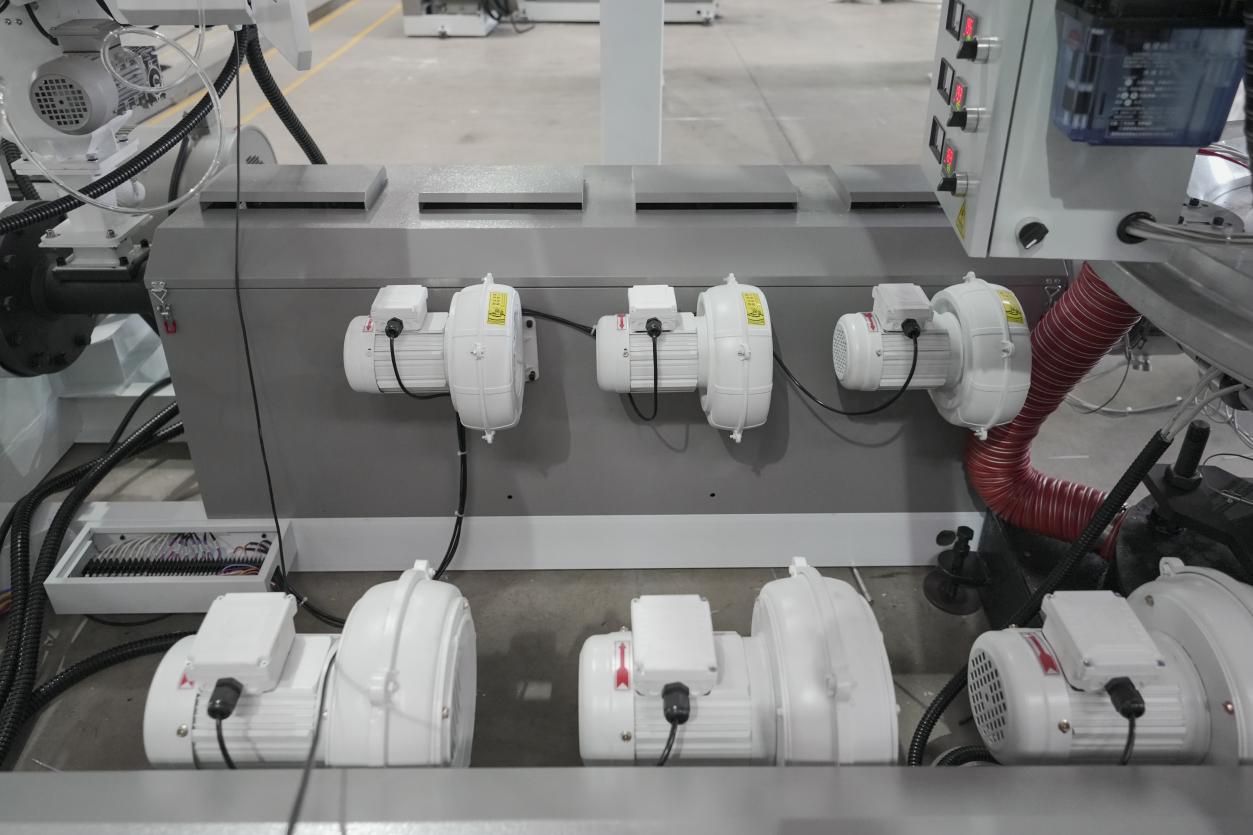
① Extrusion System
The extrusion system mainly consists of the screw, barrel, heating system, gearbox, and drive motor.
Its core function is to melt, plasticize, and homogenize raw materials, making it suitable for PE, HDPE, LDPE, LLDPE, and biodegradable materials.
Main features include:
- Optimized screw design to improve melting and mixing efficiency
- Precise temperature control zones to ensure stable extrusion
- High wear-resistant construction, using bimetallic screws and high-precision barrels
This system directly determines the machine’s output capacity, energy consumption, and long-term operating stability, making it the power core of the entire blown film machine.
② Film Forming System
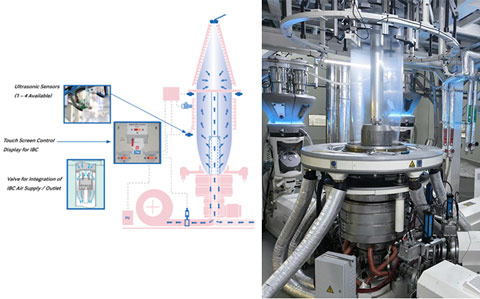
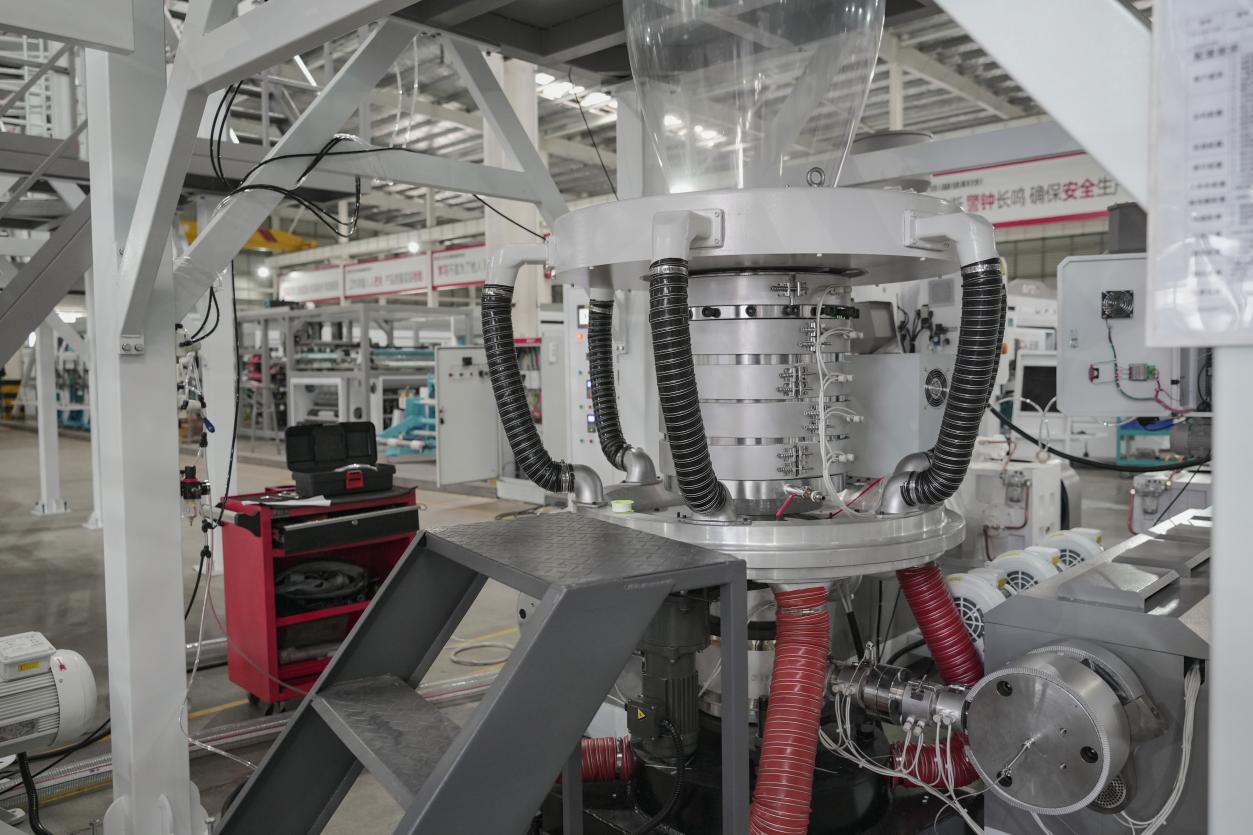
The film forming system is centered on the die head and air ring, and it is the key part that determines film formation quality.
At this stage:
- Molten plastic passes through the annular die head to form a tubular melt
- Compressed air is injected into the tube to inflate it into a film bubble
- The film’s width and thickness are initially determined during this stage
For multi-layer blown film machines, the co-extrusion die head can combine different materials into one film structure, significantly improving the film’s strength, barrier properties, and functional versatility.
Uniform flow channel design, extremely low internal surface roughness, and precise roundness control are critical to achieving uniform thickness and a smooth surface.
③ Haul-Off and Winding System
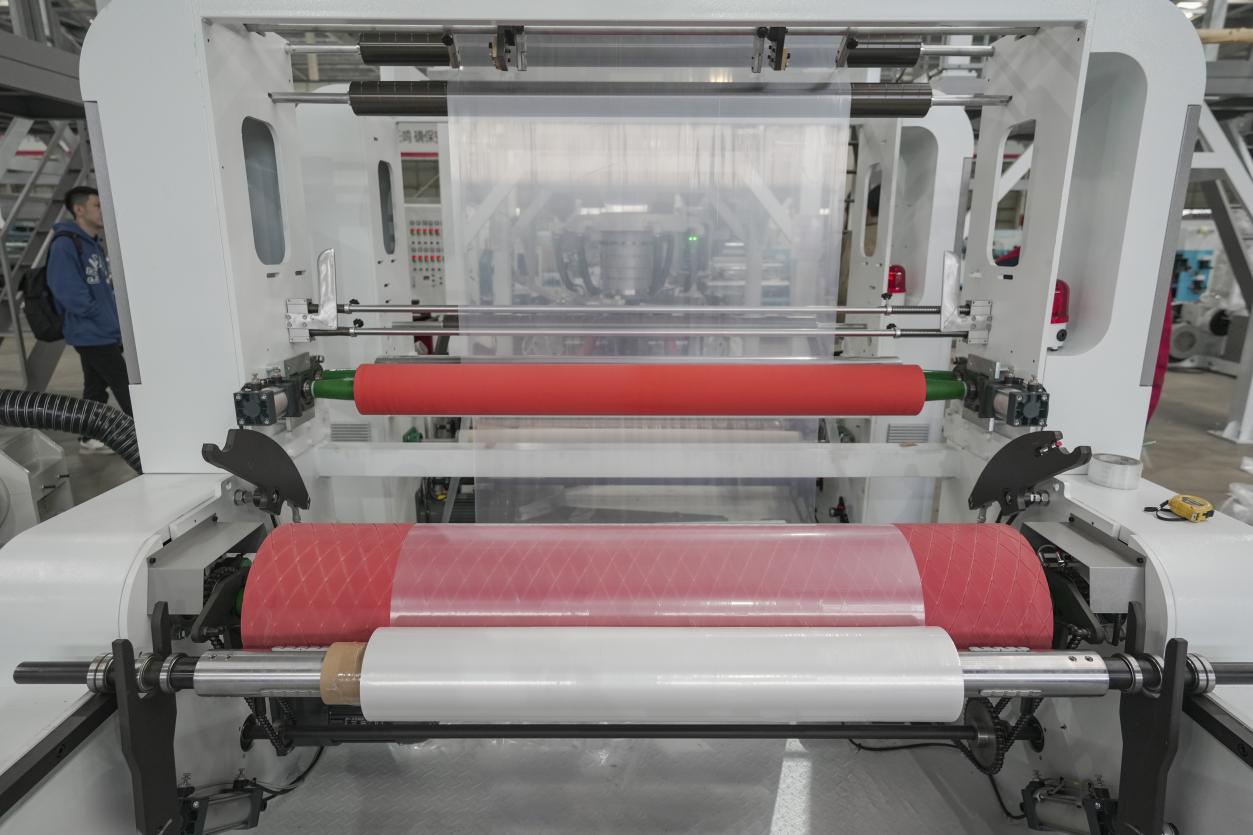
The haul-off and winding system mainly includes:
- Nip rollers
- Bubble stabilizer / collapsing frame
- Take-up rollers
- Winding unit
Its main functions are to:
- Stabilize the bubble
- Control film tension
- Flatten the bubble into double-layer film
- Wind the finished film into rolls
Modern systems are commonly equipped with automatic tension control, oscillating winding, and intelligent monitoring systems, which effectively achieve:
- Neat roll appearance
- Accurate edge alignment
- Improved downstream bag-making or printing efficiency
This system directly affects the commercial quality of the finished film.
Working Principle of a Blown Film Machine
The working principle of a blown film machine is based on a continuous, coordinated production process, including extrusion, bubble forming, cooling, haul-off, and winding.
The standard workflow is as follows:
• Feeding and Plasticizing
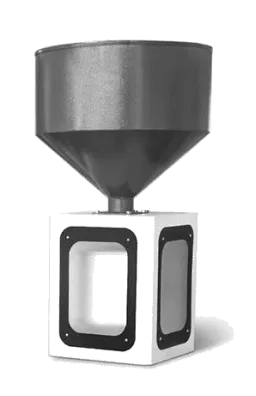
Raw materials enter the extruder through the hopper. During screw rotation, the materials are fully melted by external heating and internal shear force. Precise temperature control can effectively prevent the formation of gel particles or weak spots.
• Extrusion and Bubble Formation
The molten plastic enters the die head and is extruded through the annular die gap. At the same time, compressed air inflates the melt into a bubble, thereby determining the film width and thickness.
• Cooling and Stabilizing
The air ring provides high-speed cooling air to the bubble surface, allowing the film to set quickly and maintain a stable shape.
• Haul-Off and Flattening
The cooled bubble is flattened by nip rollers into double-layer film. The haul-off speed is precisely matched with the extrusion output to ensure uniform film thickness.
• Winding
The film is wound into finished rolls under stable tension, completing the continuous production process.
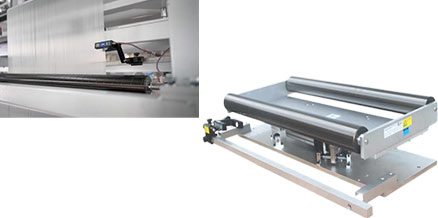
High-end blown film machines can also integrate automatic thickness measurement systems, bubble stabilizing devices, and intelligent control systems, further improving production efficiency and reducing raw material waste.
Detailed Explanation of the Three Main Structures of a Blown Film Machine
From a deeper perspective, the three main structures of a blown film machine represent a high level of integration between mechanical engineering, material science, and automation control.
Extrusion System — The Foundation of Performance
The extrusion system uses high-performance motors and reduction systems to ensure stable torque and speed.
Depending on material and structural requirements, either central feeding أو side feeding can be selected.
Core advantages include:
- Efficient melting and homogenization
- Stable high-speed extrusion capability
- Durability for long-term continuous production
Film Forming System — The Core of Quality Control
The die head is manufactured using high-precision machining processes and features:
- Extremely smooth internal flow channels
- Strict dimensional tolerance control
In multi-layer blown film structures, co-extrusion technology allows flexible combinations of different material layers to improve:
- Tensile strength
- Barrier performance
- Heat sealing performance
Advanced air ring design further enhances cooling efficiency and bubble stability.
Haul-Off and Winding System — The Guarantee of Finished Product Quality
Advanced haul-off systems, such as a five-roller haul-off structure, can significantly improve film flatness and reduce tension fluctuation.
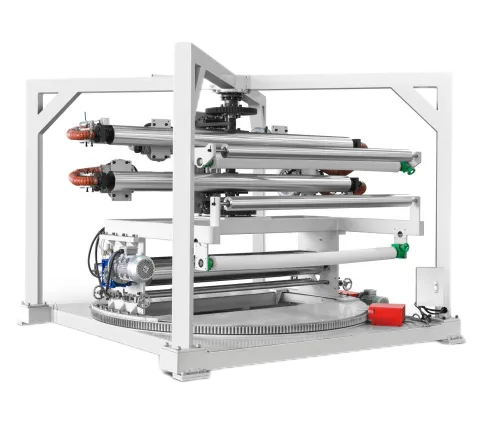
The oscillating winding system effectively prevents edge thickness build-up, while the automatic roll change function improves overall production efficiency.
The intelligent control system can monitor in real time:
- السرعة
- Tension
- Alignment status
This ensures stable and consistent roll quality to meet downstream processing requirements.
الخاتمة
A blown film machine integrates the extrusion, film forming, and winding systems into one continuous production unit.
A deep understanding of its structure and working principle helps companies choose reliable equipment, improve film quality, and achieve long-term stable production benefits.