Uneven film thickness, unstable bubbles, and high scrap rates are among the most common pain points in blown film production. If these issues are not effectively resolved, they will significantly increase production costs and weaken market competitiveness. A high-precision blown film die head is the fundamental solution to these problems.
The blown film die head is the core component of the extrusion system. Its primary function is to distribute molten polymer evenly into a circumferential flow, forming single-layer or multi-layer tubular films with consistent thickness, stable width, and balanced mechanical properties. In practice, the performance of the die head largely determines final film quality.
To truly understand why film quality depends so heavily on the die head, it is essential to examine its definition, structure, working principles, and manufacturing quality.
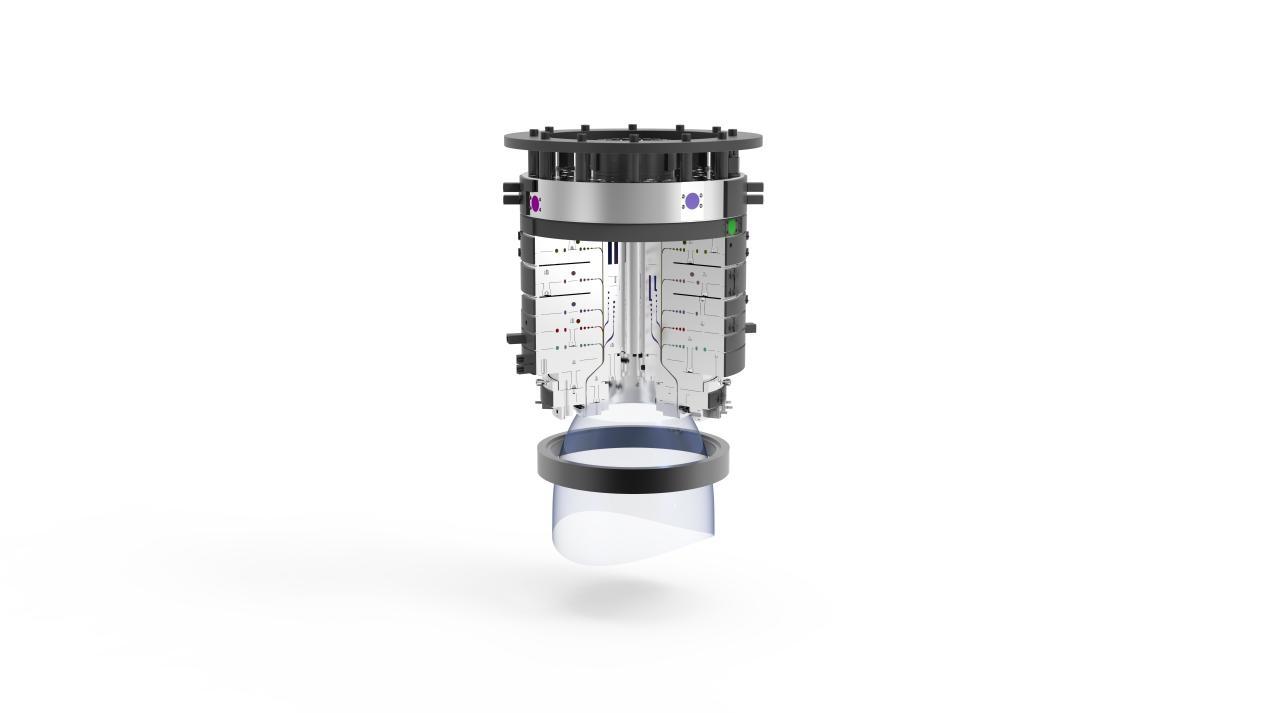
Definition and Core Functions of a Blown Film Die Head
In a blown film machine, the die head is installed at the outlet of the extruder and represents the final critical step before bubble inflation. After plastic pellets are fully plasticized in the screw, the melt enters the die head and is converted into a uniform, stable annular melt flow through precisely engineered internal flow channels.
This process directly affects:
Film thickness uniformity
Bubble stability
Optical appearance
Long-term production consistency
Any imbalance in pressure, temperature, or flow distribution inside the die head will immediately appear as thickness variation, surface defects, or unstable bubbles. For this reason, the die head is widely regarded as the precision core component of a blown film extrusion line.
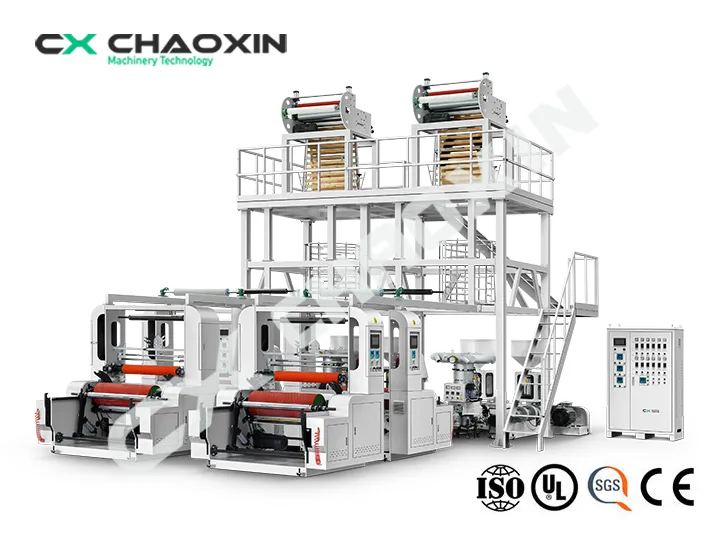
Zhejiang Chaoxin Machinery Technology Co., Ltd. designs its die heads in close integration with the entire extrusion system, covering single-layer, ABA, ABC, and multi-layer co-extrusion blown film machines. This system-level optimization ensures stable extrusion performance across different raw materials and production speeds.
Die Head Structure and Material Selection
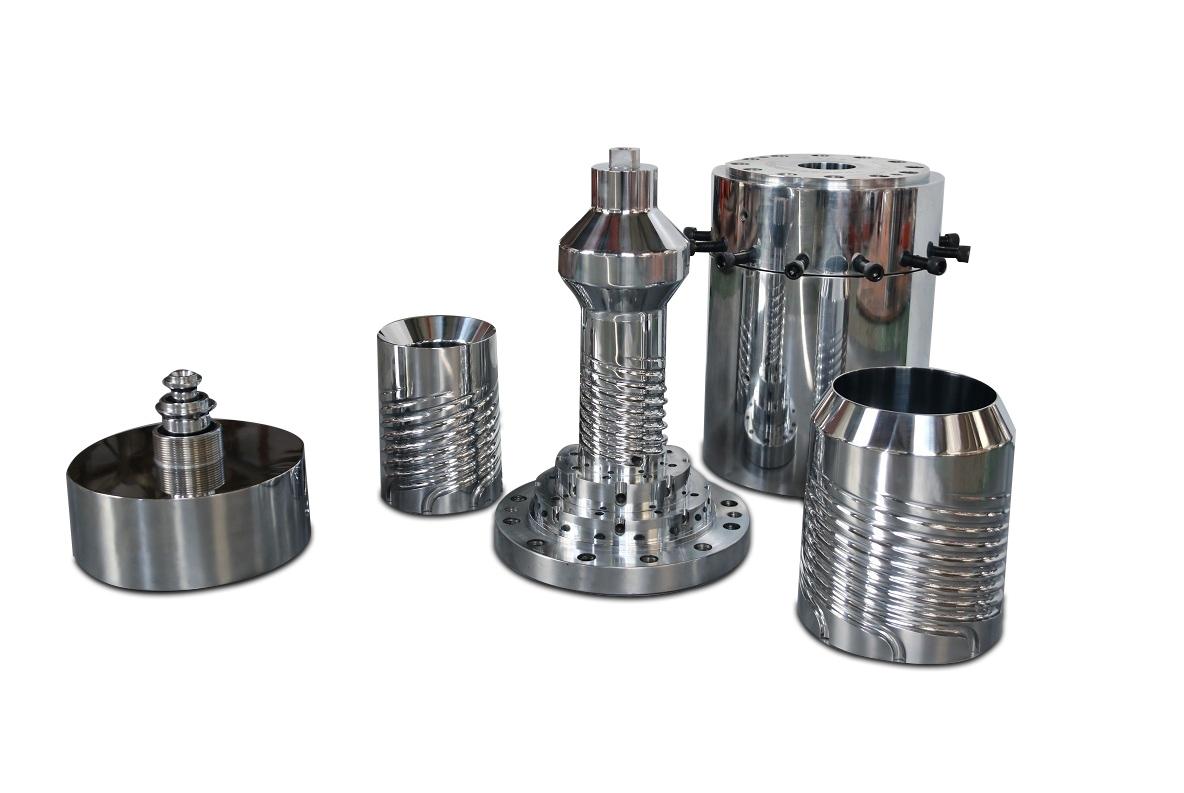
A standard blown film die head typically consists of the following key components:
Die body
Mandrel
Internal flow channel system
Die lips
Heating and temperature control system
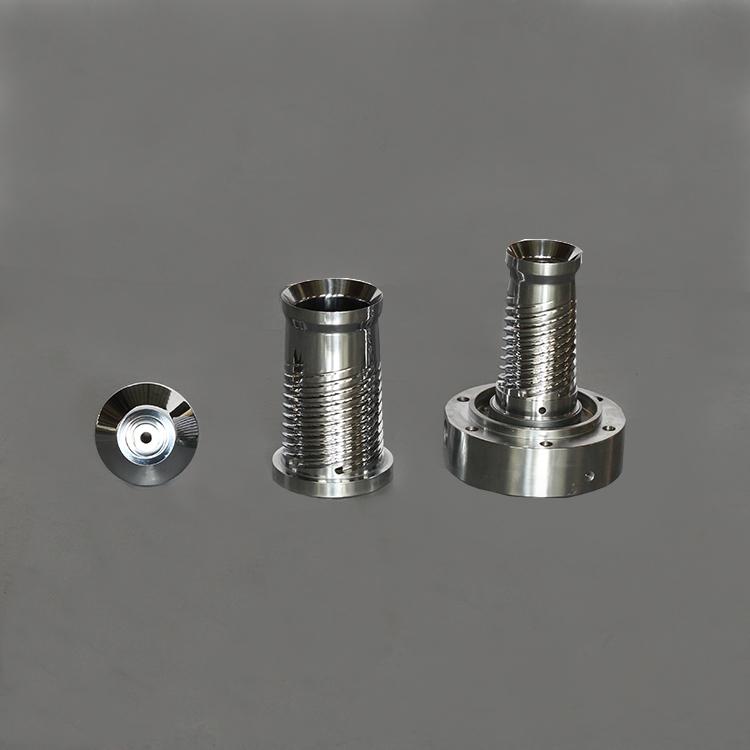
Each component requires extremely high machining accuracy to ensure uniform melt distribution. Chaoxin uses high-wear-resistant forged alloy steel for die head manufacturing, combined with multiple stress-relief and heat-treatment processes. This guarantees excellent strength and dimensional stability under long-term high-temperature and high-pressure operating conditions.
With advanced European five-axis machining centers, Chaoxin can complete complex inclined surfaces and curved geometries in a single setup, significantly improving concentricity and surface finish. This precision forms the foundation for stable bubble formation and consistent film thickness.
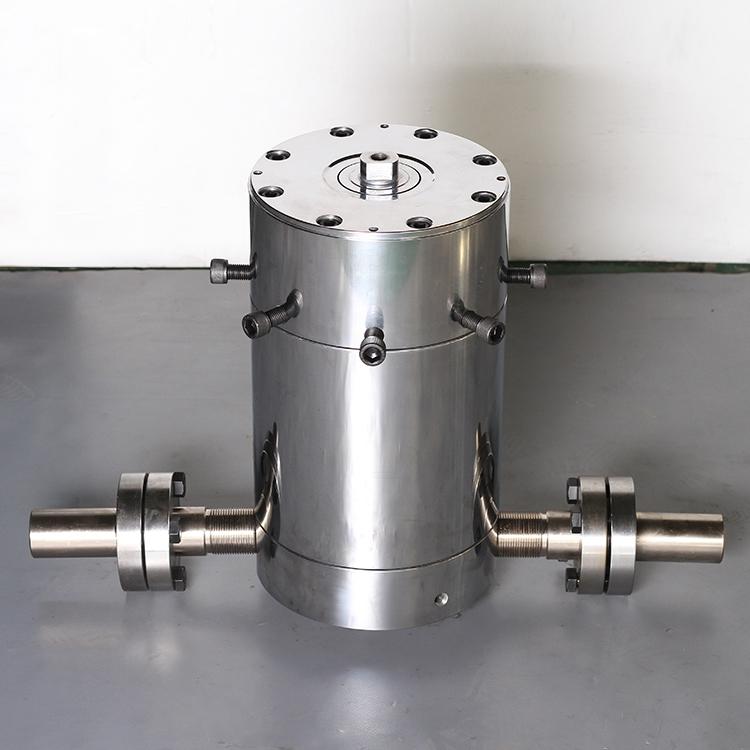
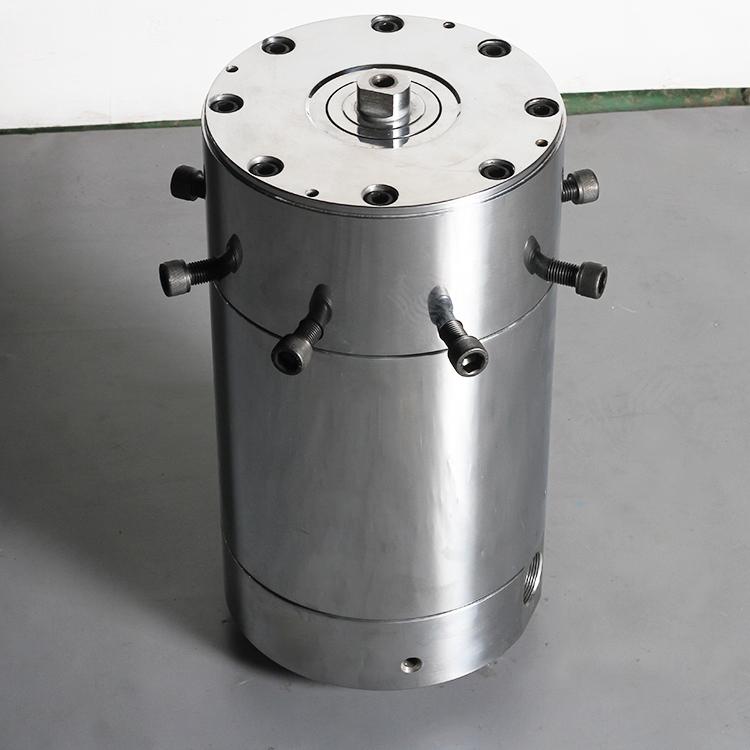
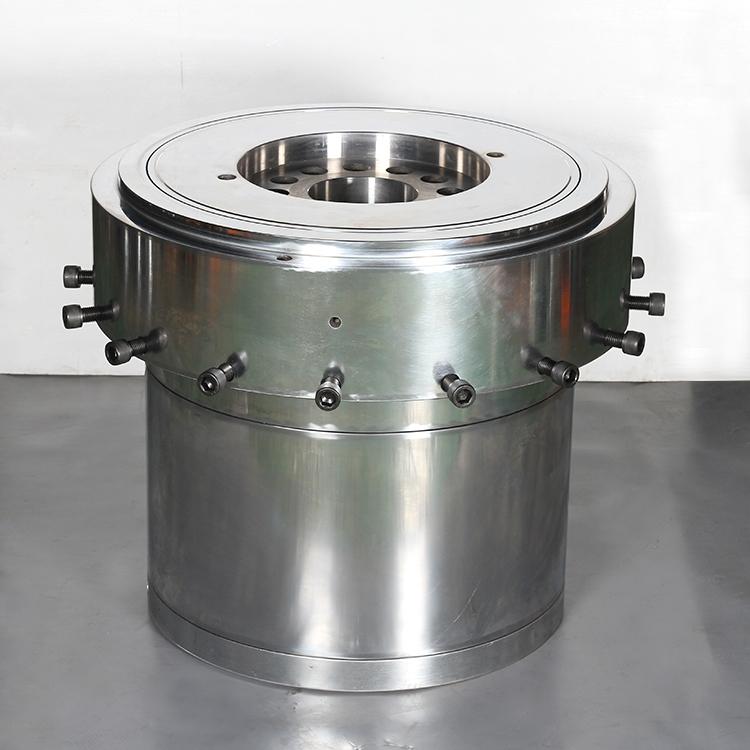
How the Die Head Determines Film Quality
The die head plays a decisive role in film quality control, mainly reflected in:
Thickness uniformity
Bubble stability
Film transparency
Mechanical property consistency
Key technical factors such as die lip gap accuracy, flow channel design, and surface roughness directly influence the final film performance. Chaoxin die heads achieve flow channel surface roughness as low as Ra 0.025, with roundness tolerance controlled within ±0.01 mm, meeting the stringent requirements of packaging, agricultural, and industrial films.
During the design phase, Chaoxin also applies proprietary simulation software to pre-optimize flow channel geometry. This reduces dead zones and material stagnation, lowers the risk of polymer degradation, and significantly improves long-term production stability.
Adaptability to Different Materials and Multi-Layer Structures
With the rapid growth of biodegradable and compostable film applications, die heads must adapt to varying melt rheological properties without sacrificing extrusion stability.
Chaoxin die heads are compatible with both conventional plastics and environmentally friendly materials, maintaining reliable extrusion performance under diverse formulations.
For high-end applications, multi-layer co-extrusion has become an industry standard. Chaoxin offers multiple die head structures, including:
Central feed
Side feed
Flat stack
Flat-cone stack
Standard die diameters range from φ500 to φ1000 mm, with customization options for three-layer, five-layer, seven-layer, nine-layer, and eleven-layer configurations. This flexibility enables customers to upgrade product structures and respond quickly to market demands.
Manufacturing Standards and Reliability Assurance
The reliability of a die head depends on strict manufacturing control. Chaoxin produces die heads in constant-temperature and constant-humidity workshops, fully implementing ISO 9001 and ISO 14001 management systems. Comprehensive quality inspections are carried out throughout the entire manufacturing process.
To protect customer investment, Chaoxin provides a three-year maintenance warranty for core die head components, along with full life-cycle technical support. This commitment reflects strong confidence in product quality and long-term operational stability.
Types of Blown Film Die Heads
Selecting an inappropriate die head type can lead to unstable extrusion, poor interlayer adhesion, and limited product performance, ultimately resulting in missed market opportunities. Choosing the right die head structure is essential for stable production and product diversification.
Single-Layer Die Head
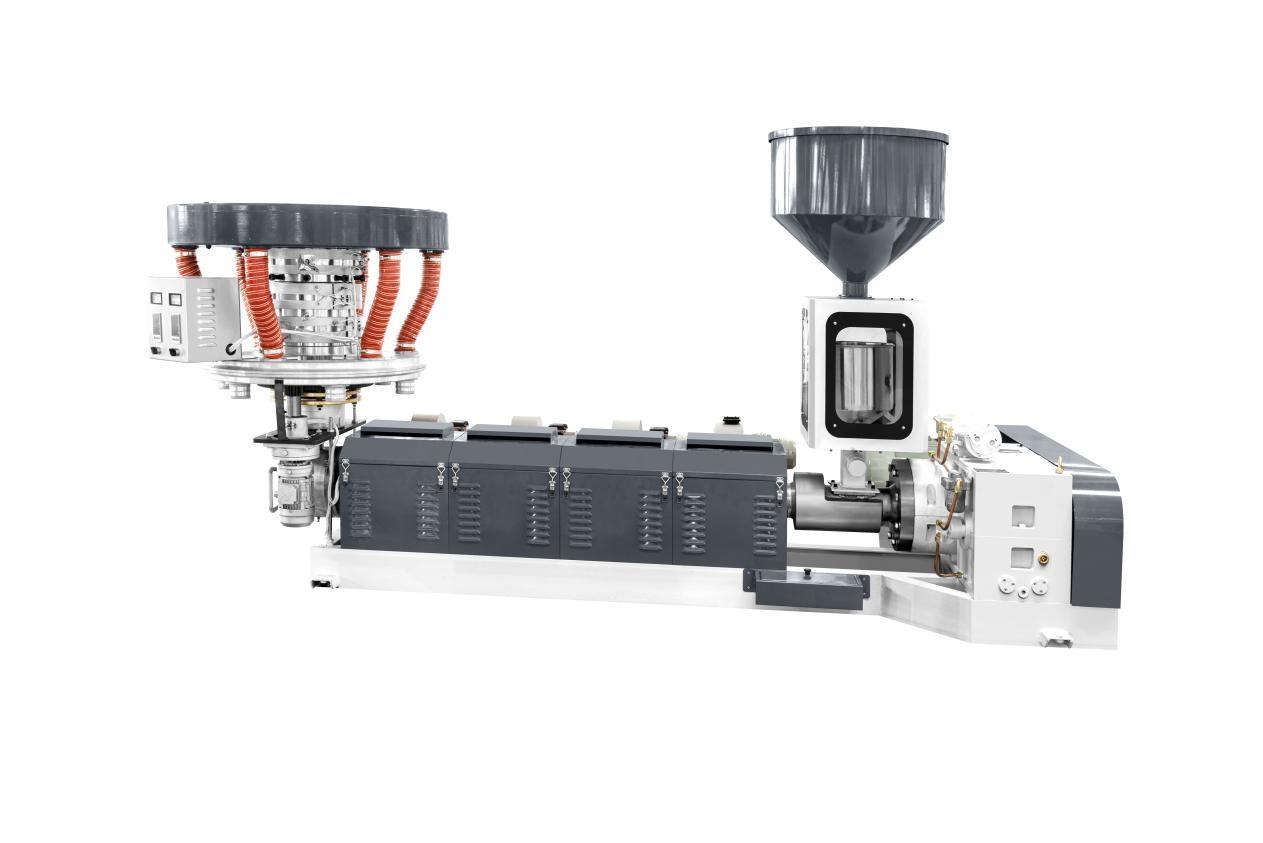
Widely used for basic packaging films, agricultural mulch films, and industrial liner films. The primary objective is stable melt flow and consistent thickness under high output conditions.
ABA and AB Structure Die Heads
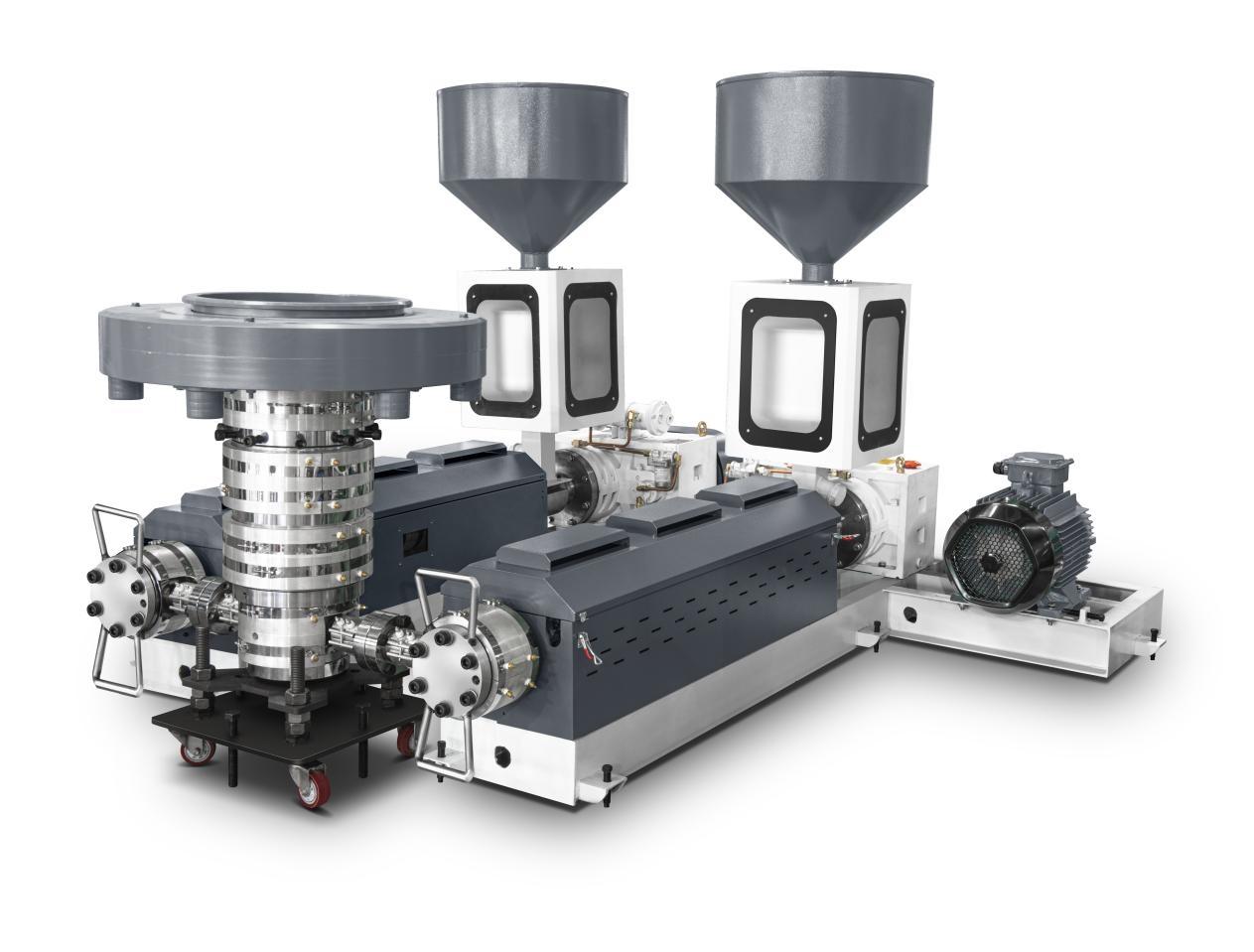
Designed to improve material utilization efficiency. In ABA structures, recycled or lower-cost materials are used in the core layer, while virgin materials form the outer layers, reducing cost without compromising appearance or mechanical performance.
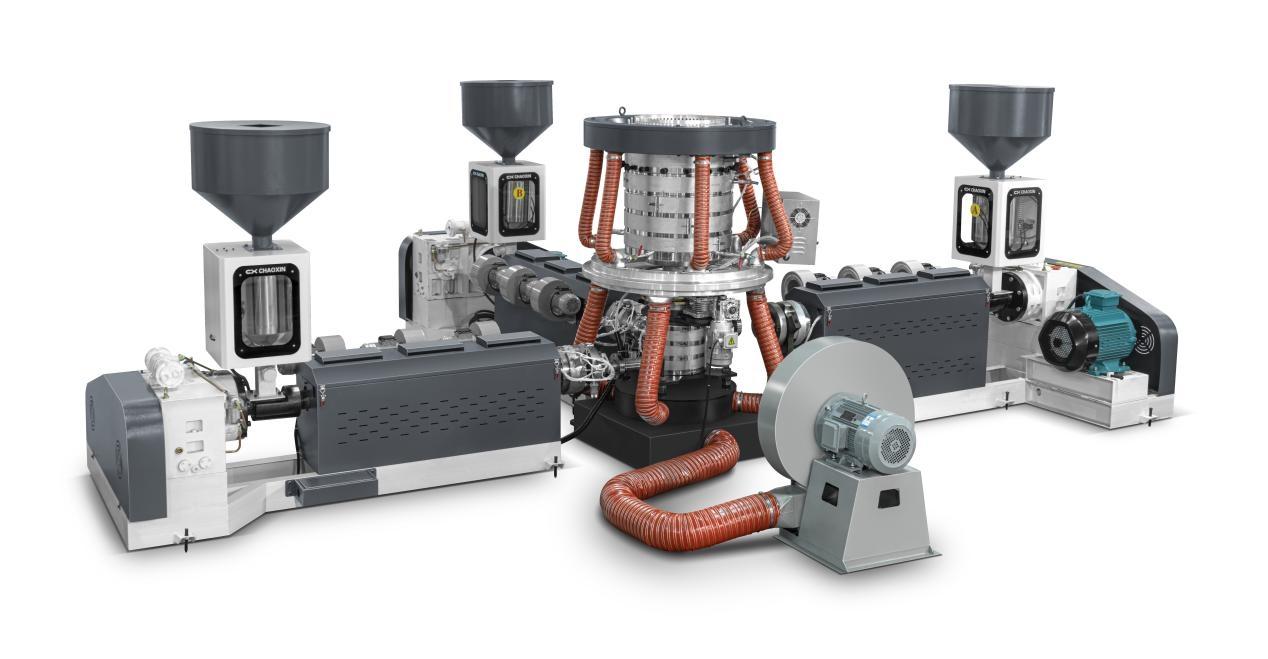
ABC and Multi-Layer Co-Extrusion Die Heads
Applied in films requiring enhanced barrier properties, strength, or functional layers. These structures demand extremely precise flow balancing for each layer.
Spiral Die Heads and Flow Channel Design
From a flow design perspective, spiral die heads are the most common in blown film extrusion. The melt is divided and recombined through spiral grooves on the mandrel, ensuring uniform circumferential distribution.
With high-precision five-axis machining, Chaoxin spiral die heads deliver excellent surface finish and stable pressure distribution, significantly improving film uniformity and bubble stability.
Scalability and Long-Term Value
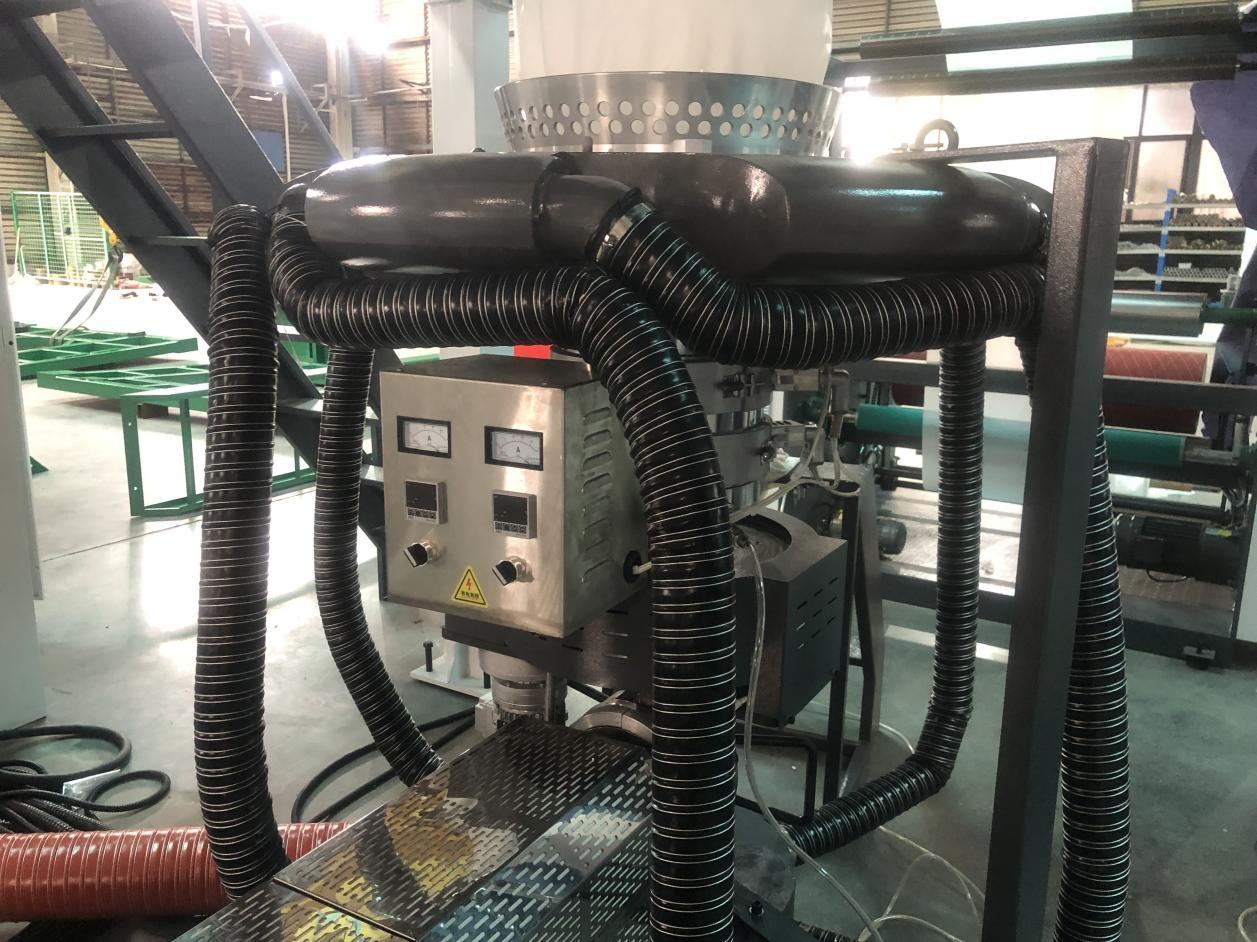
Die head selection affects not only current production requirements but also future expansion potential. Chaoxin provides highly customized die head solutions that allow customers to adapt to different materials, layer structures, and output capacities without replacing the entire extrusion line.
Combined with a three-year core component warranty and a comprehensive after-sales service system, Chaoxin die heads help customers achieve stable quality, effective cost control, and long-term competitiveness in the global plastic film market.