What Is a Blown Film Machine?
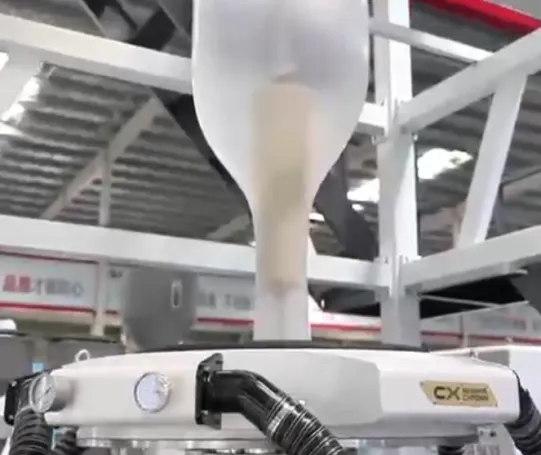
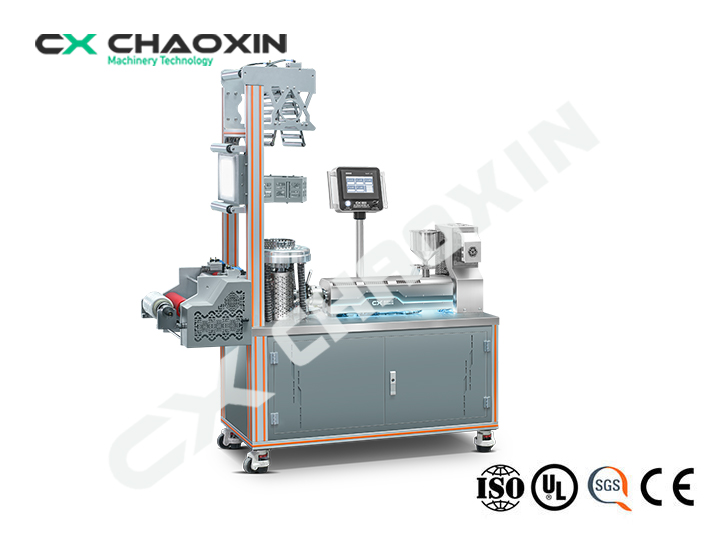
A blown film machine is a specialized plastic extrusion system that melts polymer resin, extrudes it through a circular die, inflates it with air, and cools it into a stable film tube. The full production cycle includes extrusion, blowing, cooling, take-off, and winding. Blown film machines are widely used for packaging film, agricultural film, and industrial film.
They can process LDPE, HDPE, LLDPE, as well as biodegradable materials, enabling manufacturers to produce high-efficiency, stable, and customized film products.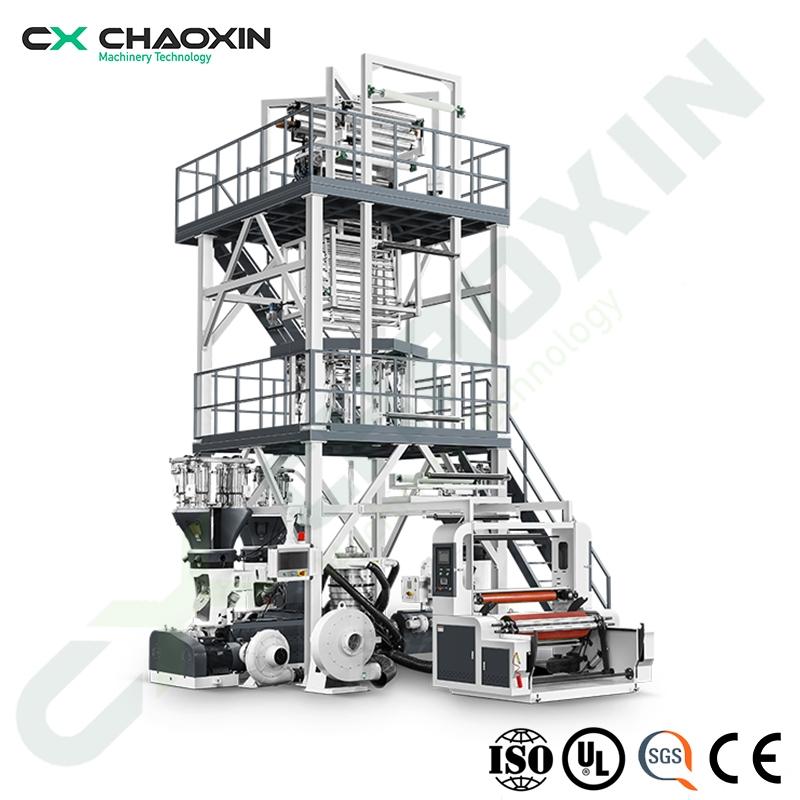
Why Understanding Blown Film Machines Helps Buyers Make Better Purchasing Decisions
Knowing the materials, process controls, and equipment capabilities allows buyers to choose the right manufacturer, match machine specs to product needs, and secure long-term production performance and ROI.
What Materials Does a Blown Film Machine Use?
Blown film lines can process a variety of thermoplastic polymers depending on film structure, property requirements, and application fields. Raw material selection directly affects film strength, clarity, sealability, and production efficiency.
Commonly used materials include:
1. Polyethylene Family (Most Widely Used)
LDPE – great flexibility and clarity; used for food packaging and protective wraps.
HDPE – high stiffness and tensile strength; ideal for T-shirt bags and trash bags.
LLDPE – excellent impact and puncture resistance; used for courier bags, agricultural films, and durable packaging.
2. Biodegradable & Compostable Materials
PLA
PBAT
Starch-based composites
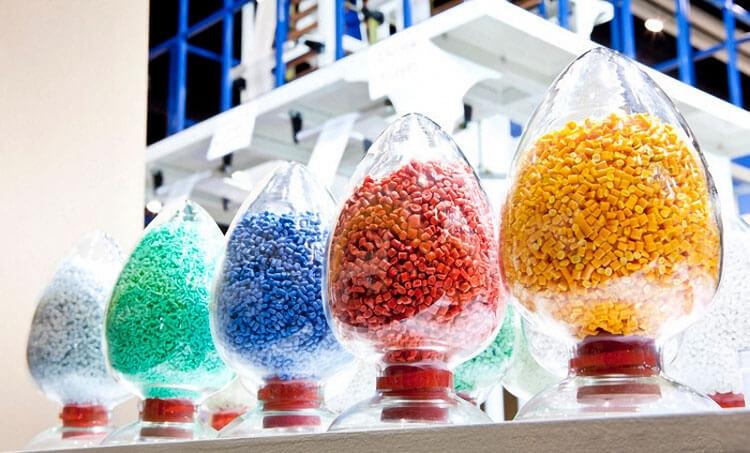
Chaoxin customizes biodegradable blown film solutions with optimized screw design, intelligent temperature control, and high-precision dies to ensure smooth and stable processing of eco-friendly materials.
3. Functional Additives Used in Multilayer Co-extrusion
UV stabilizers
Anti-block agents
Slip agents
Masterbatch (color)
Barrier materials
These additives help films meet the needs of food packaging, agricultural use, or high-performance industrial films.
What Materials Can a Blown Film Machine Process?
A blown film machine is a highly versatile system capable of running multiple polymers. Its adaptability depends on screw geometry, die structure, temperature accuracy, and extrusion stability.
Modern manufacturers—including Chaoxin—design machines that support both traditional and biodegradable materials.
1. Polyethylene Materials
LDPE → flexible, clear, easy to heat-seal
LLDPE → strong toughness, suitable for courier and stretch films
HDPE → rigid, lightweight, used for ultra-thin grocery bags
2. Biodegradable Materials
Driven by global environmental regulations, machines now support:
PLA
PBAT
Biodegradable composite resins
Chaoxin’s biodegradable models adopt optimized L/D screws, advanced melt control, and precision die lips to ensure consistent film quality.
3. Multilayer Co-extrusion
Chaoxin’s 1-layer, 2-layer, 3-layer, and 5-layer lines deliver:
enhanced barrier performance
better mechanical strength
improved sealability
customized film functions for different markets
Multilayer technology is now a global trend in packaging and agricultural film production.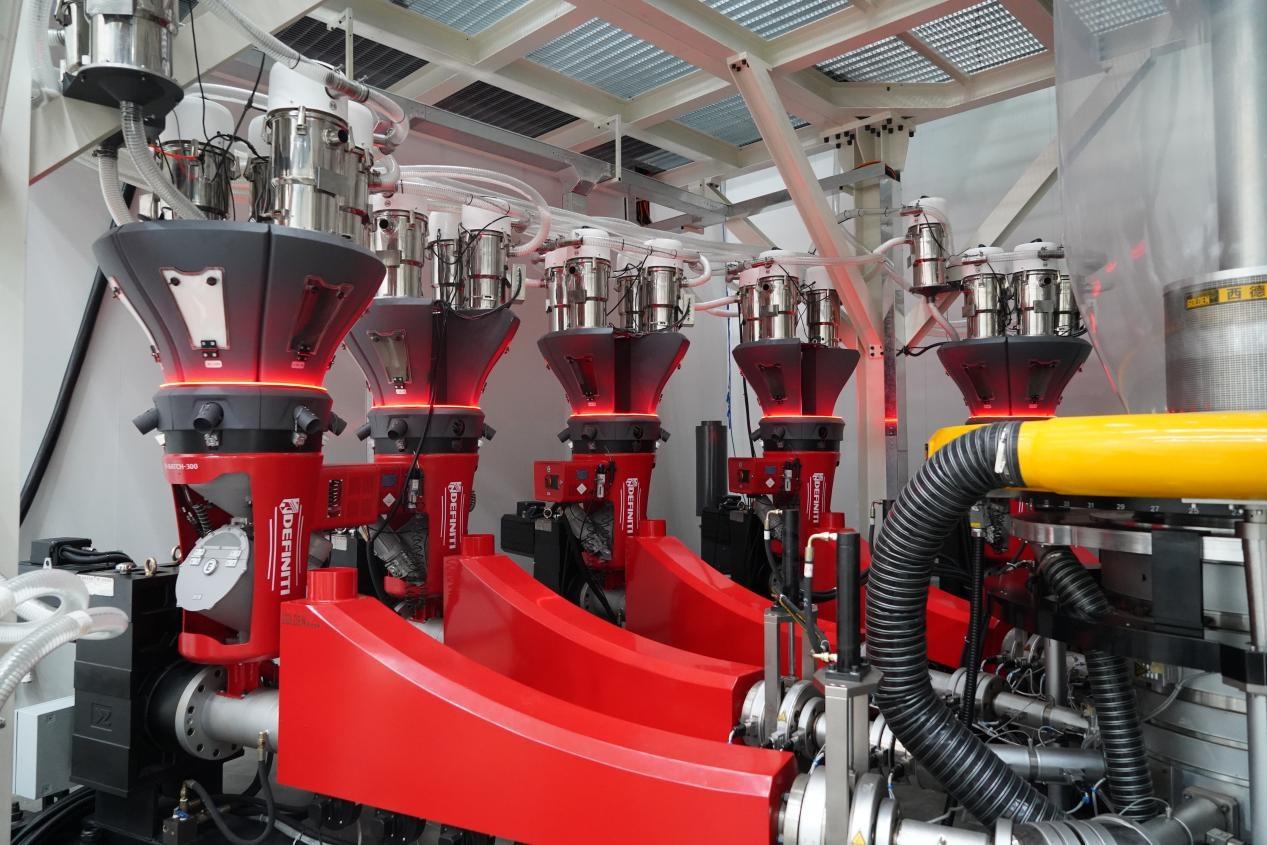
Blown Film Extrusion Process for Making Plastic Bags
Blown film extrusion transforms polymer pellets into thin, durable film used for packaging bags, agricultural sheets, and industrial rolls. While the process appears simple, high-quality film requires precision engineering and advanced automation. Chaoxin ensures stability and performance through proprietary components and patented technologies.
Step-by-Step Process
1. Extrusion — Melting & Homogenizing
Polymer resin enters the extruder where the screw melts, mixes, and pressurizes the material.
Chaoxin’s extrusion features:
high-wear-resistance bimetallic screws
multiple temperature zones for uniform plasticizing
die-flow simulation software to optimize melt distribution
Uniform plasticization is essential for film thickness and strength. 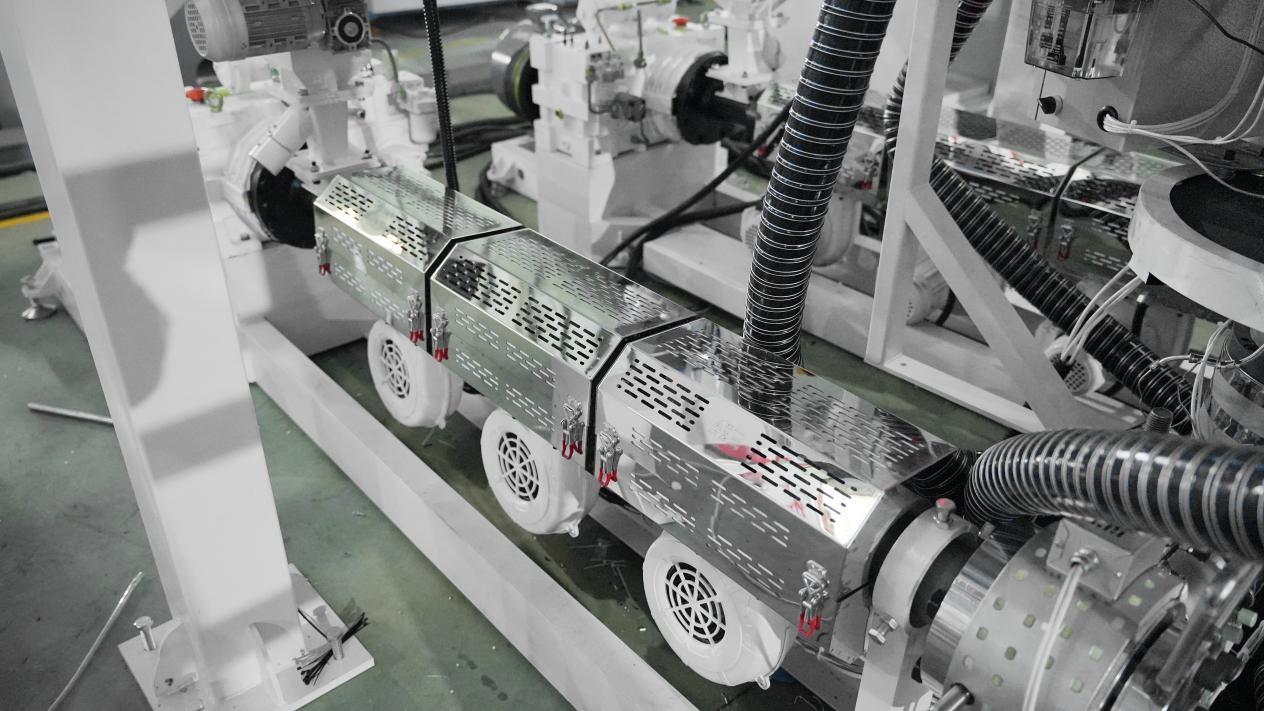
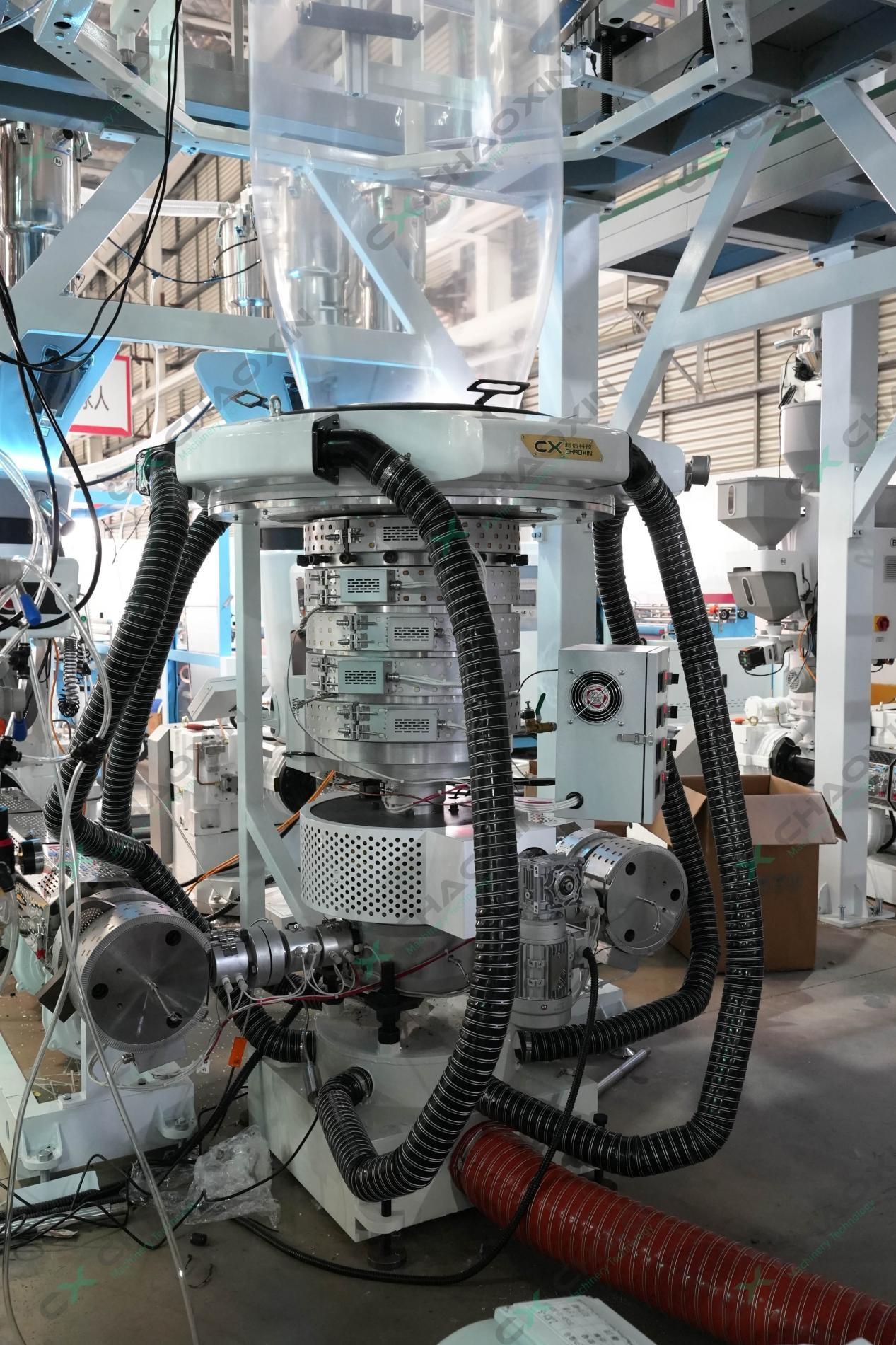
2. Die Forming & Bubble Inflation
Molten polymer exits a circular die and is inflated with air to form a bubble.
Critical control parameters:
die gap
blow-up ratio (BUR)
melt temperature
air pressure & volume
Chaoxin’s die advantages:
forged alloy steel
roundness tolerance ±0.01 mm
surface roughness Ra0.025
3. Cooling — Stabilizing the Bubble
High-efficiency air rings blow cooling air onto the bubble, rapidly solidifying it and improving:
transparency
mechanical strength
bubble stability
Chaoxin’s patented five-roller haul-off design provides additional bubble stability and smoother traction.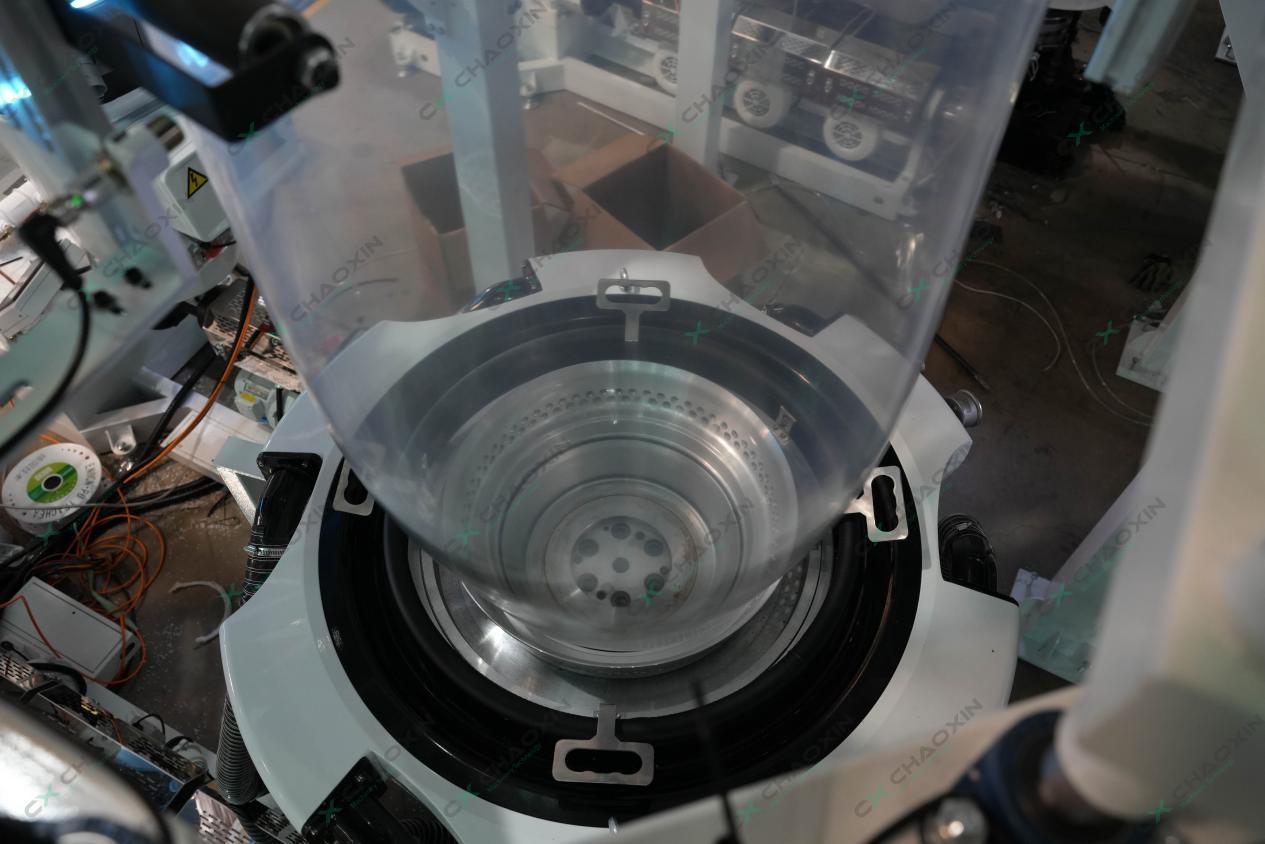
4. Flattening — Forming Lay-Flat Film
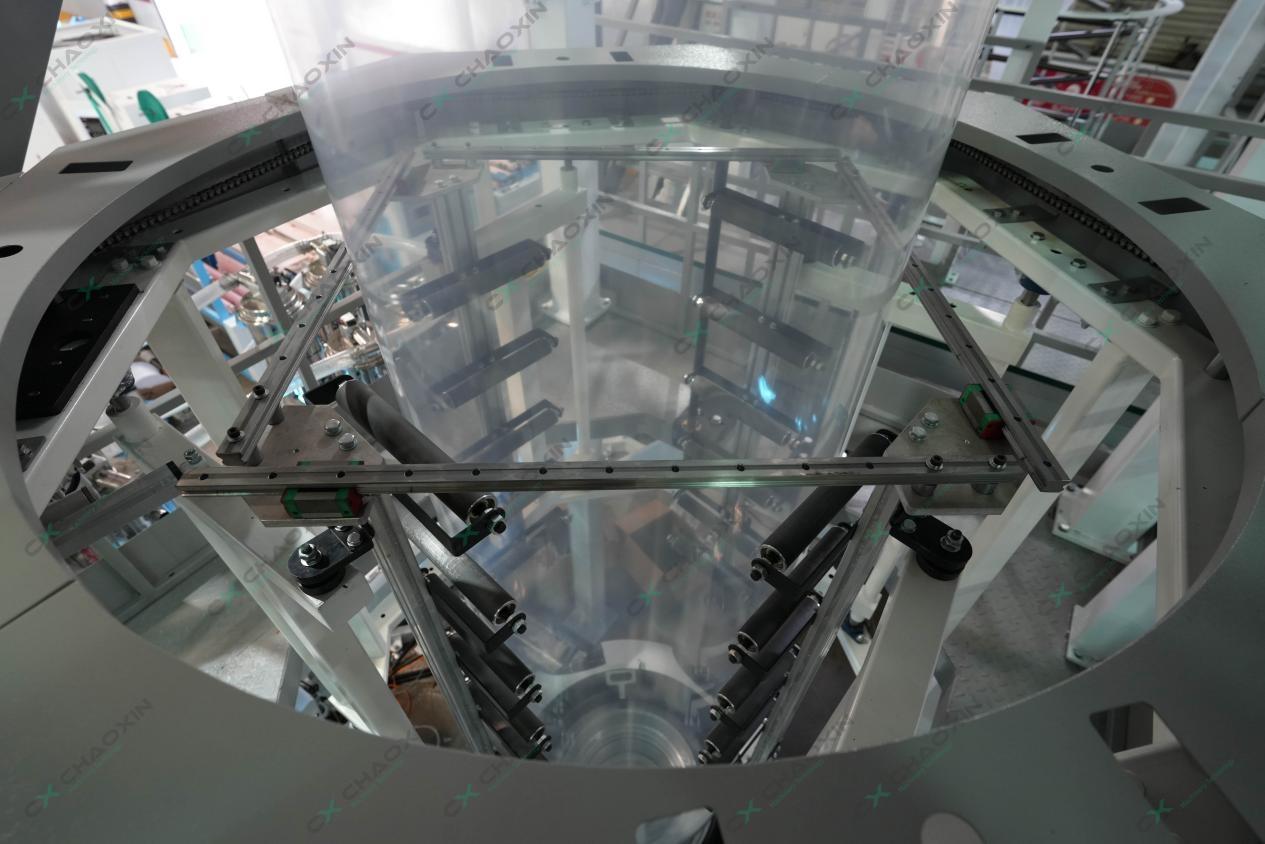
The bubble passes through collapsing frames and rollers to form a double-layer lay-flat sheet.
Chaoxin ensures:
precise tension control
wrinkle-free surfaces
stable film width
5. Winding — Building the Final Roll
Finally, the film enters the winding system, which delivers:
accurate tension
clean edges
tight, uniform rolls
Chaoxin uses ABB, Siemens, Omron, and Schneider electrical components to ensure long-lasting performance.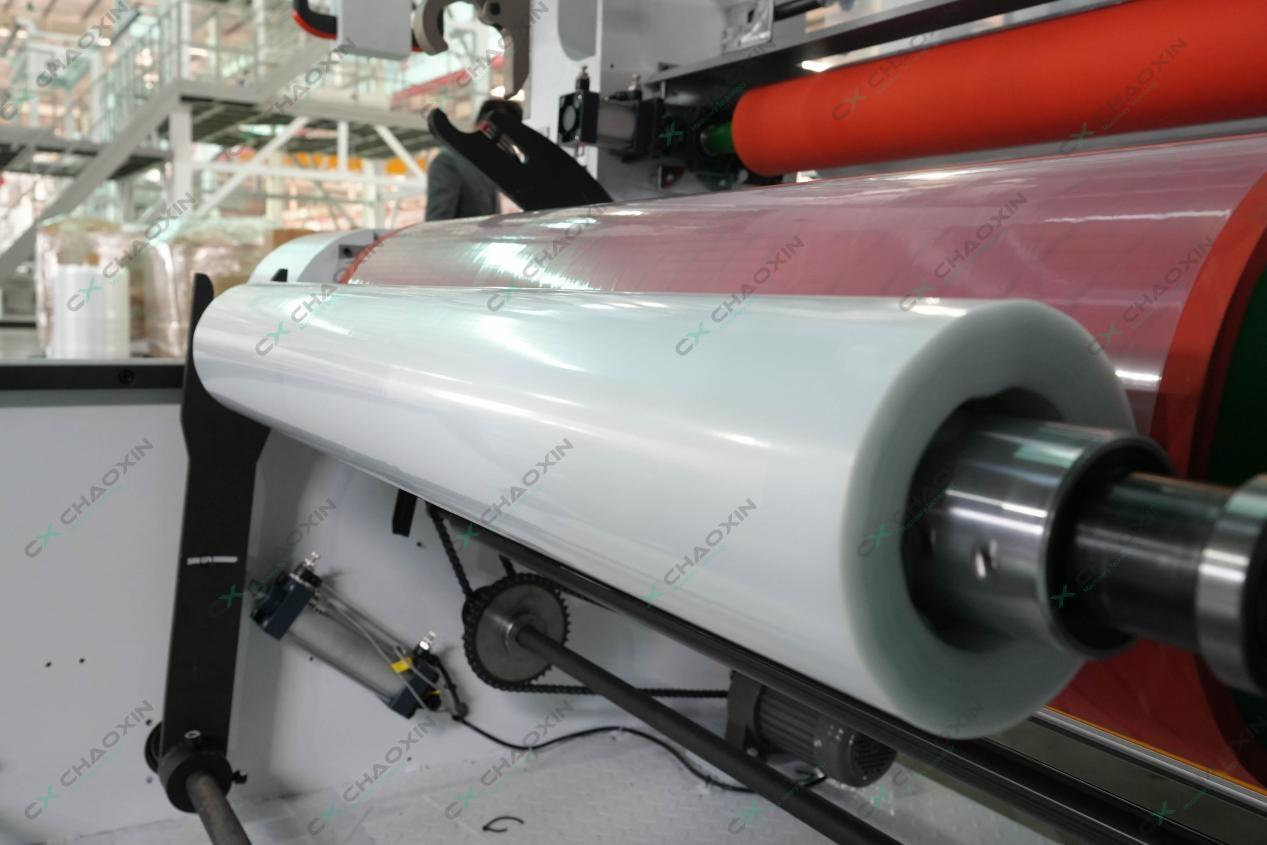
Why This Process Matters
Each step directly affects:
film strength
thickness uniformity
sealing performance
production output
material waste & costs
With multilayer co-extrusion technology, precision machining, and a 3-year warranty on core components, Chaoxin provides reliable long-term solutions for global film manufacturers.
Conclusion
A blown film machine is a crucial asset in the global packaging industry. Understanding its materials, processes, and technical features helps buyers select a reliable manufacturer and achieve long-term stable film production.