Frequent downtime, unstable film quality, and rising maintenance costs can all reduce production efficiency. If equipment lifespan management is ignored, profits decline and delivery schedules are affected. By contrast, the right equipment selection and maintenance strategy can provide a practical long-term solution.
Quick Answer
A blown film machine typically has a service life of 10 to 20 years, depending on equipment quality, component standards, operating conditions, maintenance practices, raw material compatibility, and technical support capability. Machines built with durable materials, stable electrical control systems, and precision manufacturing processes usually deliver more stable output and a longer operating life.
Why This Matters
The actual lifespan of a blown film machine depends not only on how many years it has been in use, but also on its design, how it is operated, and how well it is maintained.
Main Factors That Affect the Service Life of a Blown Film Machine
1. Equipment Manufacturing Quality
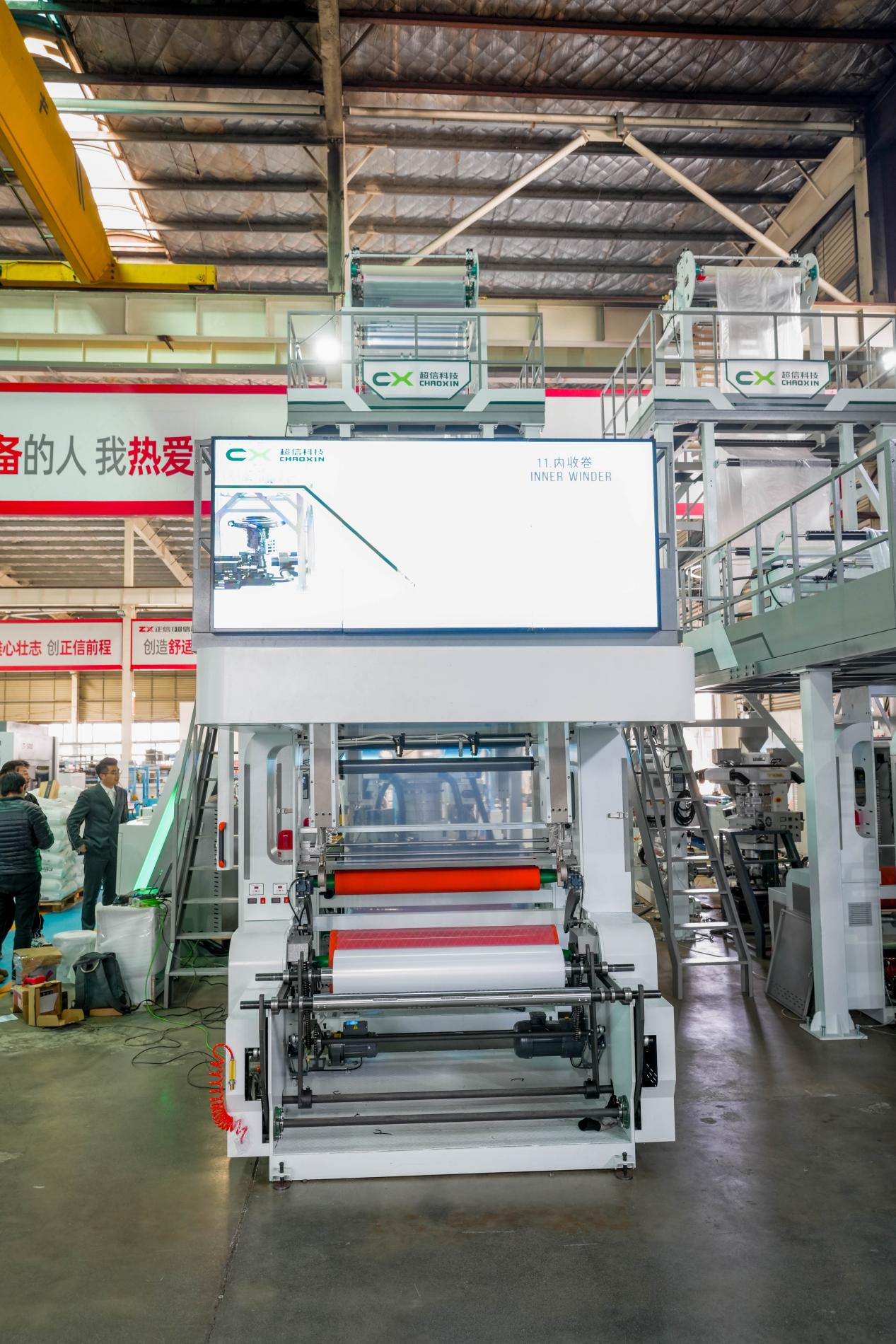
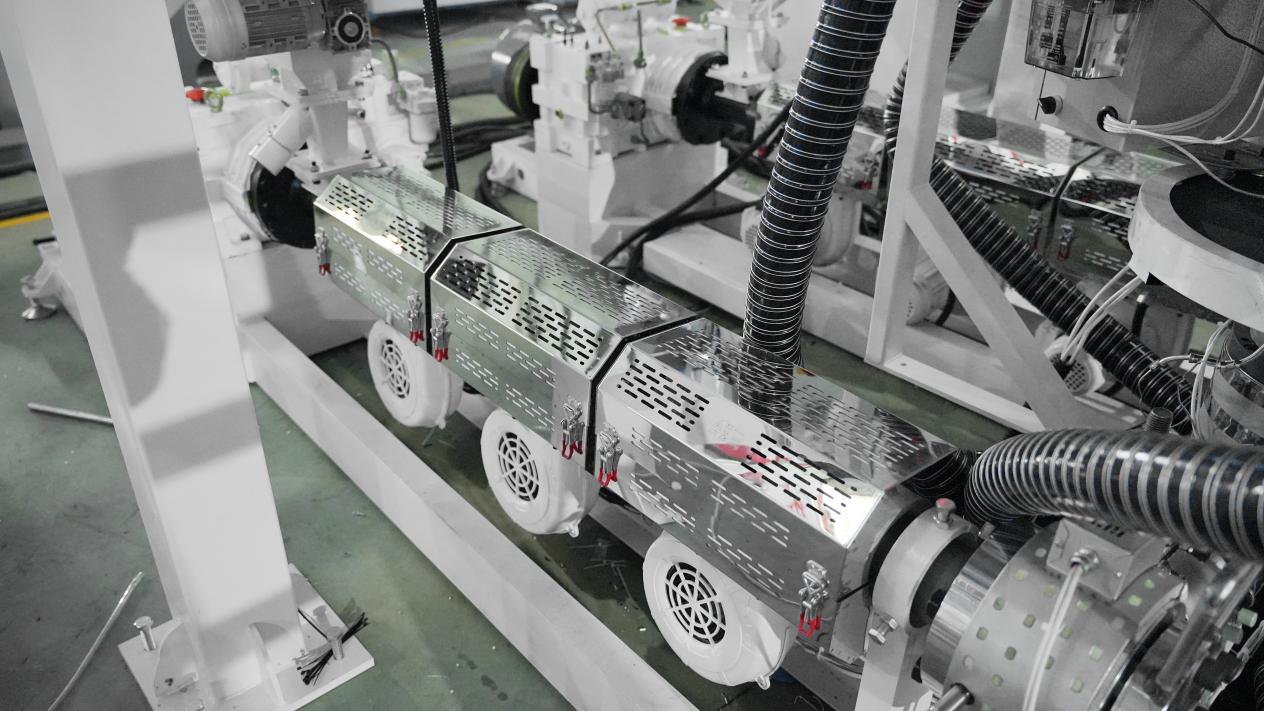
The lifespan of a blown film machine depends first on its overall manufacturing quality. Equipment made with high-grade steel, precision machining processes, and a stable structural design usually lasts longer than machines built with lower-standard materials. Key components such as the screw, barrel, die head, gearbox, haul-off unit, and winding system operate for long periods under high temperature, high pressure, and friction.
When these parts have high wear resistance and precise machining accuracy, the machine can continue delivering stable film quality over many years of operation. In contrast, machines with poor manufacturing quality are more likely to suffer from premature wear, unstable output, uneven thickness, and frequent downtime.
2. Stability of the Electrical and Control System
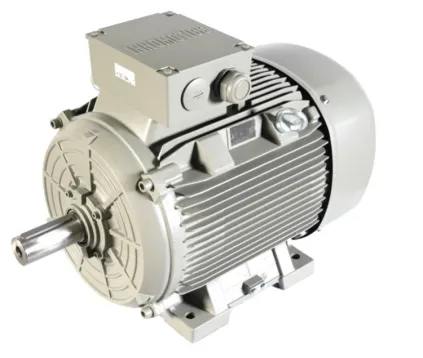
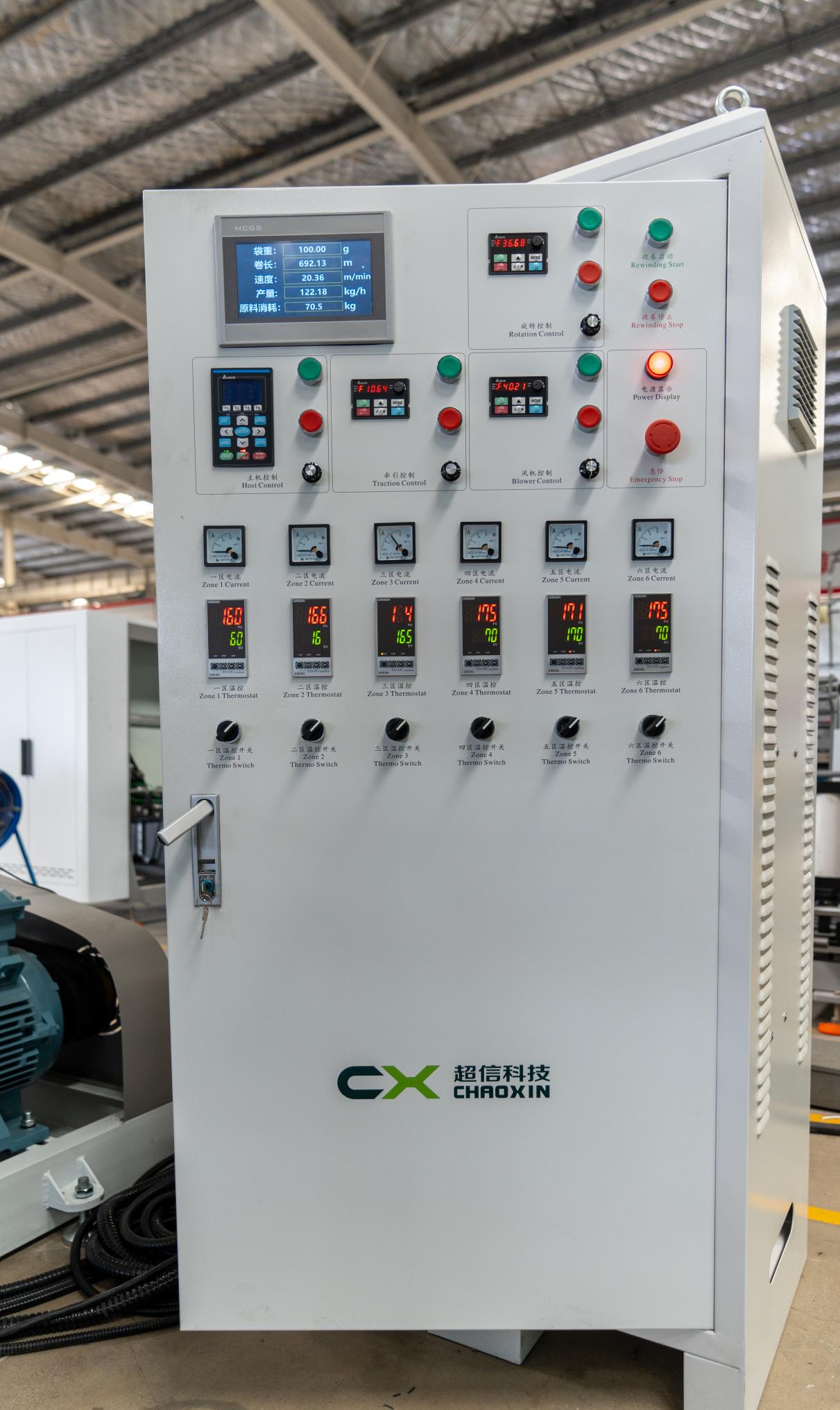
The normal operation of a blown film machine relies heavily on accurate temperature control, motor coordination, and process stability. Therefore, the quality of the electrical and control system has a direct impact on machine lifespan.
Machines equipped with reliable electrical brands and stable control systems can usually reduce unexpected shutdowns and maintain better production consistency over the long term. This is especially important for manufacturers that need uniform film thickness, stable bubble performance, and continuous high-output operation.
An excellent control system not only improves production performance, but also reduces unnecessary stress on mechanical components, thereby extending the lifespan of the entire machine.
3. Production Intensity and Daily Operating Hours
How many years a machine can remain in service is also closely related to how intensively it is used. A machine running one shift per day under a moderate load will usually last longer than one operating around the clock at full capacity.
This does not mean continuous production is harmful by itself. It means that high-intensity production must be matched with stricter maintenance management. Under continuous operation, components such as heaters, rollers, bearings, screws, barrels, and other moving parts will wear faster.
Therefore, when evaluating the service life of a blown film machine, it is not enough to look only at calendar years. Operating hours, output load, and actual working conditions must also be considered.
4. Raw Material Compatibility
Different raw materials place different demands on a blown film machine. Standard materials are usually more favorable for long-term stable operation, while more complex formulations, such as biodegradable materials, high-filler materials, or special resin compounds, may accelerate wear or require more precise process control.
If the screw design, die flow channel structure, and heating system are well matched to the raw material, the machine is more likely to achieve a longer and more stable service life. If the match is poor, abnormal wear, carbon buildup, unstable melt flow, and frequent cleaning problems may occur.
Therefore, raw material compatibility affects not only product quality, but also machine lifespan.
5. Maintenance Management Level
In many cases, maintenance management is the most critical factor in determining the lifespan of a blown film machine. Even a high-quality machine can lose years of usable life prematurely if maintenance is neglected. On the other hand, a well-maintained machine can often operate efficiently for more than ten years.
Daily maintenance should focus on checking:
- Heaters and sensors
- Motors and gear reducers
- Bearings and belts
- Air ring and winding system
- Electrical connections and lubrication points
At the same time, regular cleaning of the die head and screw is also very important. This helps prevent contamination, black spots, melt degradation, and unstable film quality. Preventive maintenance is not just repair work; it is a long-term equipment asset protection strategy.
6. Operator Skill and Daily Management
Even if the machine itself is high quality, improper operation can still significantly shorten its lifespan. Unreasonable temperature settings, mismatched haul-off speed, non-standard startup procedures, or rough shutdown practices can all accelerate equipment aging.
Experienced operators can protect the machine by reducing mechanical shock, overheating, vibration, and unnecessary wear. They are also more likely to detect early warning signs such as:
- Abnormal noise
- Unstable bubble operation
- Increased power consumption
- Inconsistent film thickness
Identifying these issues early can effectively prevent small problems from developing into major failures.
7. After-Sales Support and Spare Parts Availability
The service life of a blown film machine is also affected by the technical support capability of the equipment manufacturer. Good after-sales service helps users maintain equipment performance over the long term through installation guidance, troubleshooting, spare parts supply, and maintenance advice.
When the machine can receive continuous technical support throughout its lifecycle, users can solve problems faster and reduce the risk of long downtime. In actual production, this can effectively extend the machine’s real usable life.
Understanding Equipment Lifespan from a Practical Perspective
In real industrial applications, the service life of a blown film machine can usually be divided into the following three stages:
- Early stable operation stage
This stage mainly includes installation, commissioning, and operator familiarization. If installation and commissioning are done properly, the machine can usually achieve efficient and stable operation. - Long-term efficient production stage
This is the main service stage of the machine. During this period, with regular maintenance, replacement of wear parts, and process optimization, the machine can usually operate stably for many years. - Lifecycle optimization stage
At this stage, the machine can often still run, but users begin evaluating whether its energy consumption, automation level, output stability, and maintenance costs still meet current production requirements.
This means that a machine may still be mechanically usable, but its economic life and physical life are not always exactly the same.
Conclusion
The service life of a blown film machine is usually 10 to 20 years or even longer, provided it has good design, reliable components, proper operation, and preventive maintenance. A longer equipment lifespan comes from high-quality machinery, standardized maintenance, and continuous, dependable technical support.