Small plastic bag production often faces unstable film quality, high scrap rates, and rising costs. If the wrong machine is selected, these problems can become even worse. A suitable blown film solution can help improve production stability and overall efficiency.
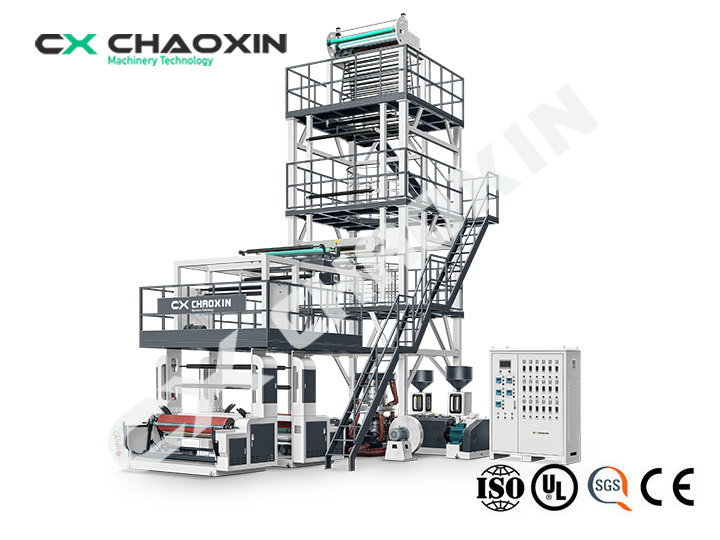
To choose the right blown film machine for small plastic bags, buyers should focus on bag size specifications, film thickness, material compatibility, output requirements, operating stability, and long-term operating costs. The right machine can help companies achieve more uniform film quality, a more stable production process, and higher overall efficiency.
Below are the key points to consider when selecting a blown film machine for small plastic bag production.
1. Start with the Finished Bag Requirements
When choosing a blown film machine, the first step is to clarify the requirements of the final product, including:
- Bag width
- Film thickness
- Strength requirements
- Expected output
Although small plastic bags may look simple, they often require good film uniformity, reliable sealing performance, and stable winding quality. If the machine does not match the product requirements, downstream bag making may face problems such as:
- Weak sealing
- Unstable dimensions
- Higher scrap rates
So, machine selection should not focus only on price. More importantly, the machine must truly match the target product. For companies planning long-term production of small plastic bags, the right machine should run stably within the target specification range while balancing product quality and production efficiency.
2. Consider Material Compatibility
Common raw materials for small plastic bags include:
- HDPE
- LDPE
- LLDPE
Different materials behave differently in terms of melt flow, cooling performance, and film stability. If the machine is not properly matched with the material being used, production may suffer from:
- Unstable bubbles
- Thickness fluctuation
- Uneven winding
For this reason, buyers should confirm the machine’s adaptability to the target materials. For companies that may use both standard plastic materials and newer packaging materials in the future, a machine with a more suitable compatibility range will provide greater flexibility for order changes and product upgrades.
3. Focus on Film Uniformity
For small plastic bag production, film thickness uniformity is one of the most important indicators.
If film thickness is uneven, it may affect:
- Bag appearance
- Sealing performance
- Load-bearing strength
- Printing quality
Especially in large-scale production, even small thickness deviations can lead to obvious raw material waste. That is why the following machine aspects deserve careful comparison:
- Die design
- Haul-off stability
- Cooling performance
- Winding system
Machines that can maintain more uniform film thickness and more stable operation are generally more suitable for small plastic bag production, where both consistency and cost control matter.
4. Do Not Look Only at Output — Also Check Stability
Many buyers pay close attention to output figures when selecting a blown film machine. However, for small plastic bag production, the real issue is not only theoretical output, but also the machine’s ability to produce qualified film consistently.
A machine may run fast, but if it often causes:
- Bubble breakage
- Winding deviation
- Thickness fluctuation
then the actual usable output may end up being lower.
So when selecting a machine, buyers should evaluate how stable it performs during continuous production. The more stable the machine runs, the more benefits it brings:
- Less scrap
- Fewer shutdowns
- Better production continuity
- Higher overall profit margin
For companies that care about long-term order delivery, stability is often more important than simply chasing higher speed.
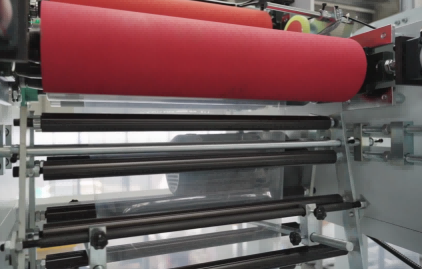
5. Consider Energy Consumption and Long-Term Costs
A blown film machine is a long-term investment, so buyers should not judge it only by the initial purchase price.
Other important cost factors include:
- Energy consumption
- Maintenance frequency
- Scrap rate
- Service life
For small plastic bag manufacturers, profit margins often come from controlling long-term operating details. If a machine has a lower purchase price but leads to:
- Higher power consumption
- More material waste
- Frequent maintenance
then its total cost of use may actually be higher.
In contrast, a machine that performs better in stability and energy efficiency usually has stronger long-term investment value.
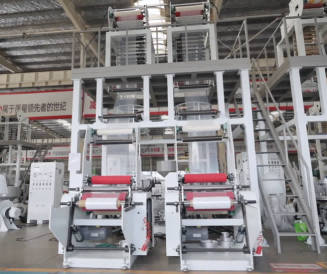
6. Pay Attention to Core Components and Manufacturing Quality
Machine durability depends heavily on the quality of its core components and the precision of its overall manufacturing.
Key parts include:
- Screw
- Barrel
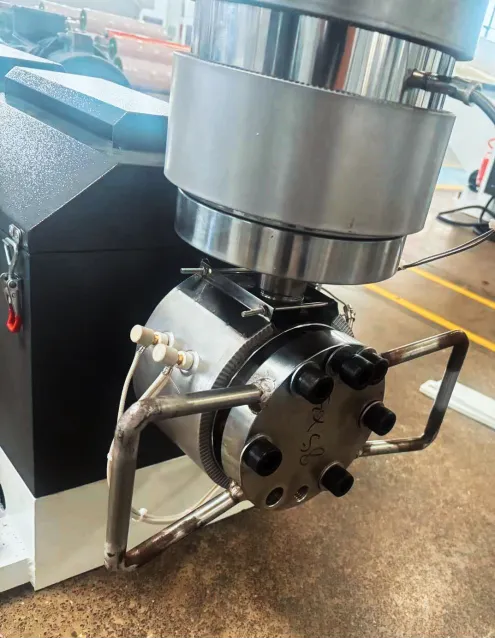
- Die head
- Electrical control system
- Haul-off unit
- Winding device
These parts directly affect the daily performance of the machine. If the quality of these key sections is poor, the machine is more likely to experience:
- Performance decline
- Frequent maintenance issues
- Reduced long-term stability
When comparing blown film machines, buyers should understand:
- The machine’s manufacturing standards
- The key component configuration
- The overall processing quality
In most cases, machines with more mature manufacturing processes and more reasonable structural design perform more reliably over time.
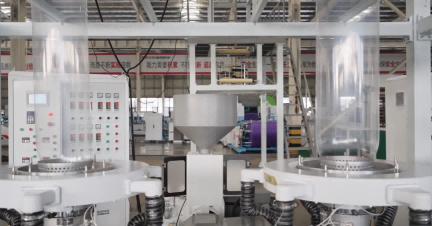
7. Leave Room for Future Development
When purchasing a blown film machine, buyers should not think only about current orders. It is also important to leave some room for future growth.
For example, some companies may currently produce standard small plastic bags, but later expand into packaging products with higher technical requirements. If the machine has flexibility in:
- Specification range
- Functional expansion
- Future upgrades
then the company will have a much easier time adapting later.
This forward-looking approach helps reduce the risk of repeated investment. For companies planning long-term development in the plastic packaging industry, choosing equipment with some upgrade space is usually a more practical decision.
8. Supplier Service Is Also Important
Selecting a blown film machine is not only about buying the equipment itself. It is also about choosing the supplier’s service capability.
Important service factors include:
- Installation
- Commissioning
- Technical support
- Spare parts supply
- After-sales response speed
Even if a machine has strong specifications, it may fail to create real production value if the supplier cannot provide timely and effective support.
So buyers should also evaluate the supplier’s:
- Manufacturing experience
- Service system
- Long-term cooperation capability
Stable equipment, reliable service, and continuous support are all essential for reducing risk and maintaining smooth production.
9. A More Reliable Selection Logic
For small plastic bag production, choosing a blown film machine is not about maximizing one parameter only. The key is to find the right balance among:
- Product requirements
- Material compatibility
- Operating stability
- Energy cost
- Service support
A truly suitable machine should help the company:
- Produce stably
- Reduce waste
- Control costs
- Leave room for future business development
Overall, the safer approach is this: choose a blown film machine solution that matches actual production needs and offers strong stability and material adaptability. This is more beneficial for the long-term development of small plastic bag production.
Conclusion
Choosing the right blown film machine means focusing on:
- Actual production needs
- Cost control
- Stable performance
- Future upgrade potential
A well-matched machine can help small plastic bag manufacturers improve consistency, reduce waste, and build a more sustainable production foundation.