(I) Properties:
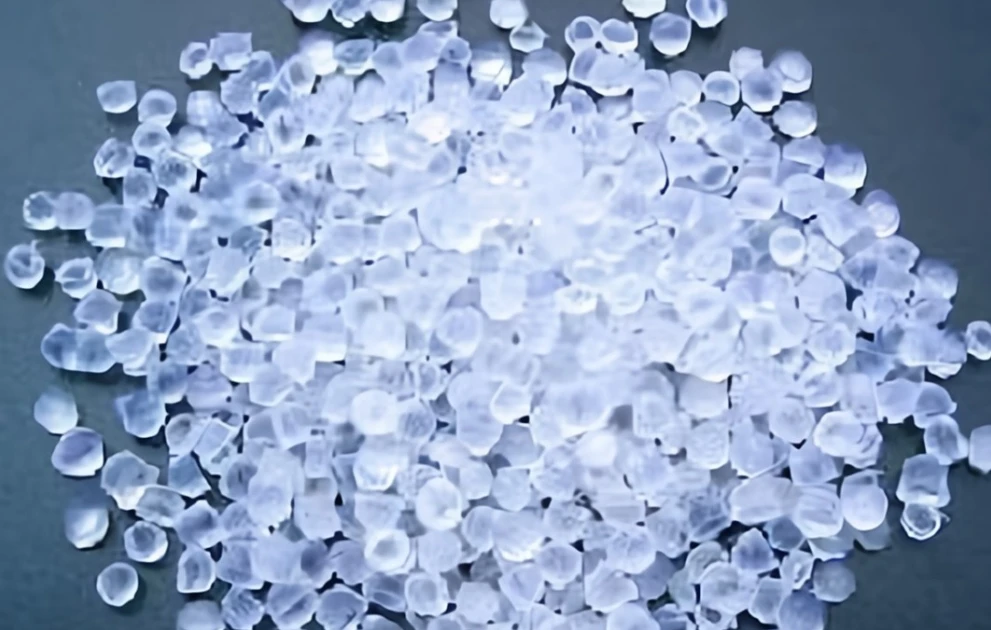
Polyvinyl chloride is a non-toxic, odorless white powder with a density of 1.40 g/cm². The density of polyvinyl chloride plastic with added plasticizers and fillers is 1.15~2.00 g/cm².
The mechanical properties of polyvinyl chloride depend on the molecular weight of the polymer and the content of plasticizers and fillers. The greater the molecular weight of the polymer, the higher the mechanical properties, cold resistance, and thermal stability, but the more difficult the molding and processing; the opposite is true for lower molecular weight. The addition of plasticizers not only improves the flowability of polyvinyl chloride and lowers the plasticizing temperature, but also makes it softer. Usually, when the amount of plasticizer added to 100 parts of polyvinyl chloride resin exceeds 25 parts, it becomes soft plastic, the elongation increases, while mechanical properties such as tensile strength, rigidity, and hardness all decrease; when the amount of plasticizer added is less than 25 parts, it is hard or semi-hard plastic with relatively high mechanical strength. Polyvinyl chloride is an amorphous polymer, and its glass transition temperature is about 80℃. At this temperature it begins to soften, and as the temperature rises, its mechanical properties are gradually lost. Obviously, the glass transition temperature is the upper limit of the theoretical service temperature of polyvinyl chloride. However, in practical applications, the long-term service temperature of polyvinyl chloride should not exceed 65℃. Polyvinyl chloride has relatively poor cold resistance. Although its catalytic temperature is lower than -50℃, even soft polyvinyl chloride products become hard and brittle at low temperatures. Since polyvinyl chloride contains as much as 65% chlorine, it is flame-retardant and self-extinguishing.
Polyvinyl chloride has poor thermal stability. Whether exposed to heat or sunlight, it can discolor from yellow, orange, and brown to black, accompanied by a decline in mechanical properties and chemical properties. Polyvinyl chloride has relatively good electrical properties, and its electrical insulation can be comparable to that of hard rubber.
(II) Uses:
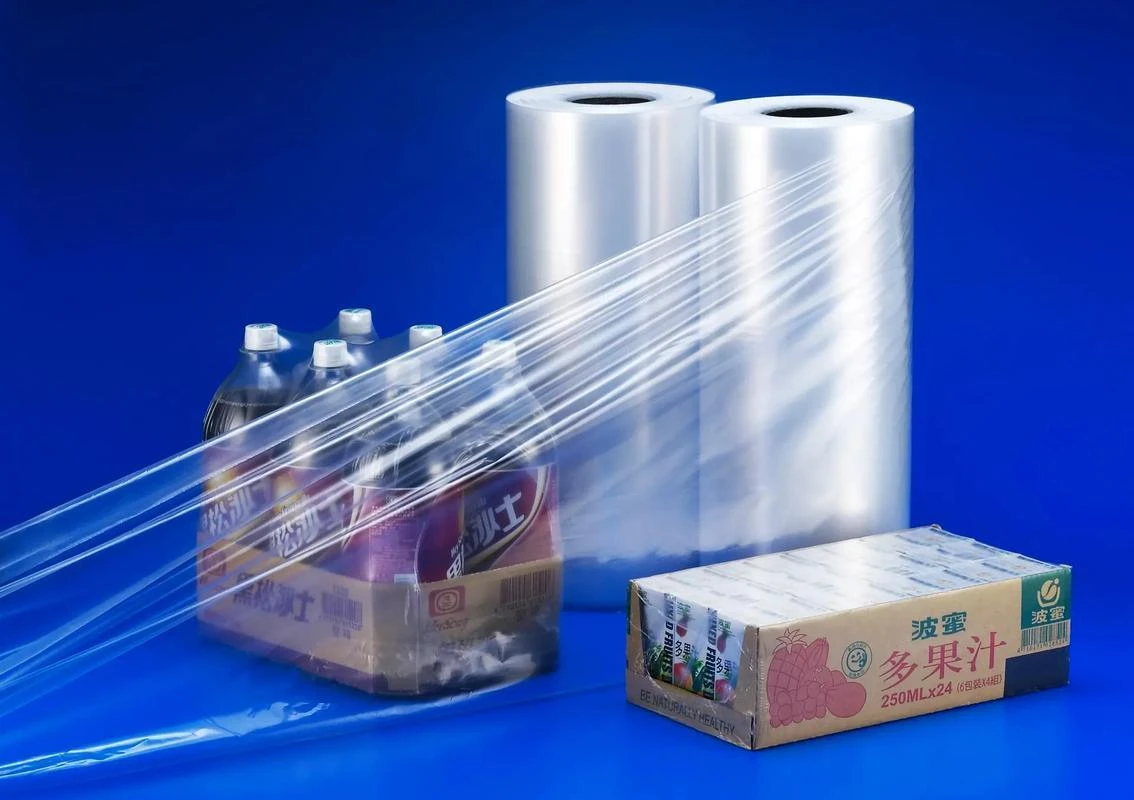
Polyvinyl chloride has a relatively wide range of applications. In terms of packaging materials, it can be used to manufacture packaging films, shrink films, composite films, and transparent sheets, and can also be used to make containers, turnover boxes, and packaging layers.