Before ordering a blown film machine, buyers should focus on checking production capacity, film width and thickness range, material compatibility, screw and die quality, core component brands, energy consumption performance, customization capability, warranty coverage, and after-sales support.
These factors will directly affect film quality, operating cost, machine lifespan, and overall return on investment.
Why Are These Checks Important?
A blown film machine is not just a short-term equipment purchase, but a long-term production asset.
The right machine can bring stable output, lower scrap rates, better film consistency, and smoother downstream processing performance.
The wrong choice, however, may lead to ongoing technical problems, higher costs, and production bottlenecks.
1. Check Whether the Machine Matches Production Needs
Before placing an order, buyers should first confirm whether the machine truly matches their actual production goals.
This includes checking:
- Output range
- Film width
- Film thickness range
- Applicable raw materials
- Target product type
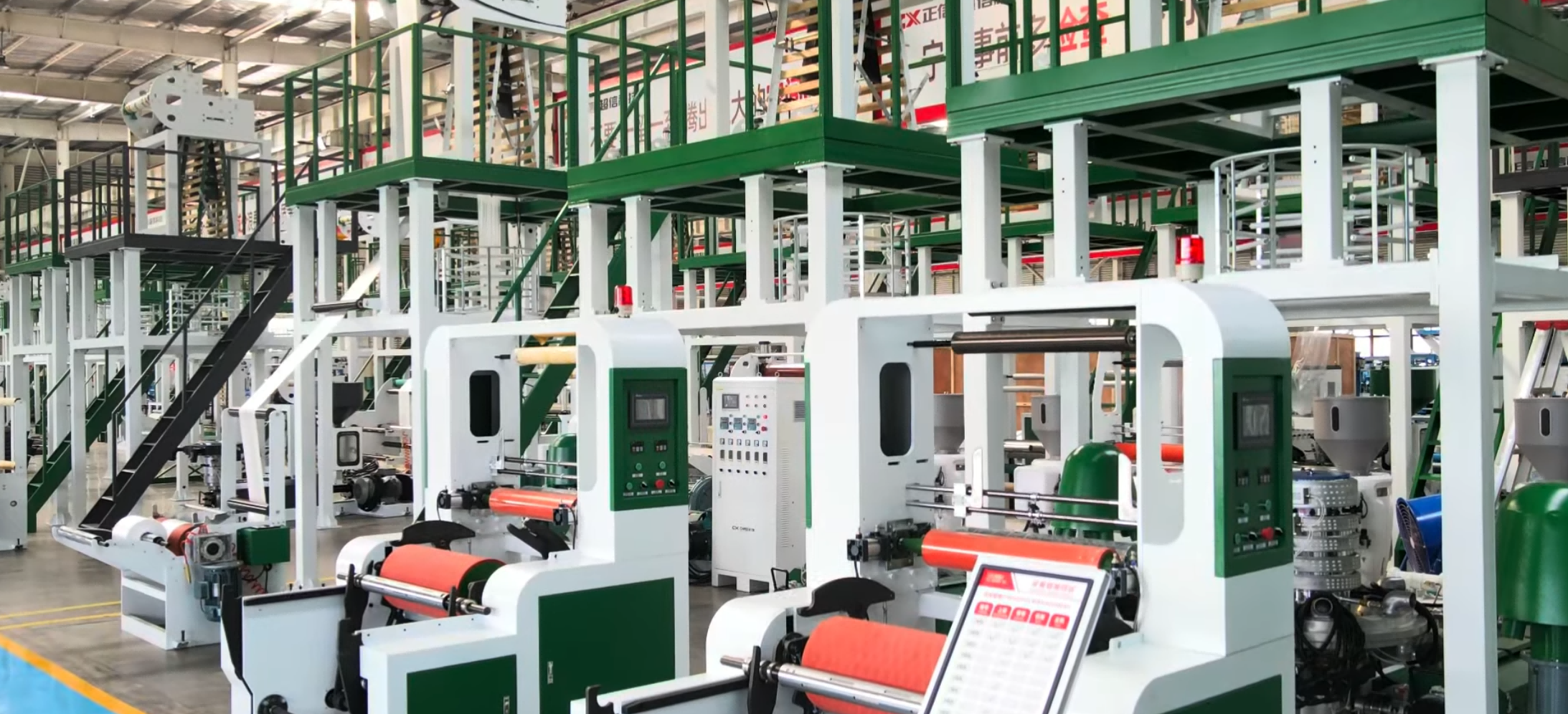
A machine may look suitable in promotional materials, but if it cannot match real production needs, it may eventually lead to frequent adjustments, unstable output, and raw material waste. Buyers should confirm whether the machine is suitable for HDPE, LDPE, LLDPE, biodegradable materials, or multilayer film production according to their own business requirements.
2. Check Output Stability, Not Just Maximum Capacity
Many buyers focus too much on the machine’s maximum output.
In reality, stable production is often more important than peak capacity.
A high-quality blown film machine should be able to continuously maintain:
- Consistent film thickness
- Stable bubble operation
- Reliable continuous production
- Uniform winding quality
This is especially important for companies handling long production runs or export orders, because instability can easily lead to customer complaints and inventory waste.
3. Check the Design of the Screw, Barrel, and Die
The extrusion system is one of the most critical parts of a blown film machine.
Buyers should pay close attention to:
- Screw design
- L/D ratio
- Barrel material quality
- Die structure
- Optimized flow channel design
These technical details directly affect plasticizing quality, film uniformity, production efficiency, and energy consumption performance. A well-designed die helps improve thickness consistency, while high-quality alloy materials help increase wear resistance and service life.
For buyers who truly care about machine performance, these are not minor details, but important standards for judging whether the machine can achieve long-term stable operation.
4. Check Film Stability and Winding Performance
Even if the extrusion performance is good, final film quality can still be affected if the handling section after bubble formation does not perform well.
Therefore, buyers should also check:
- Bubble stability
- Haul-off system performance
- Cooling efficiency
- Winding flatness
- Tension control capability
These functions determine whether the film can achieve a smooth surface, fewer wrinkles, stable tension, and neat winding.
This is especially important for customers who need the film for printing, sealing, laminating, or bag making.
5. Check the Quality of Core Components
The long-term reliability of a blown film machine largely depends on its core components.
Buyers should understand the brands and specifications of the following parts:
- Motor
- Inverter
- Temperature controller
- Electrical switches
- Control system
Using well-known and market-proven component brands usually means higher stability, easier maintenance, and longer service life.
A machine with a lower initial purchase price may seem attractive, but if the component quality is poor, it will likely lead to downtime, increased maintenance costs, and more difficult troubleshooting in the future.
6. Check Energy Efficiency and Operating Costs
Energy consumption is an important part of the total operating cost of a blown film machine.
Buyers should not only focus on machine output, but also understand its power consumption level and scrap control capability.
Key points may include:
- Heating efficiency
- Screw running efficiency
- Control system optimization level
- Scrap reduction capability
An energy-saving machine can help companies reduce daily operating costs and improve profitability, especially for factories running multiple shifts or continuous production.
7. Check Whether Customization Is Supported
Not all buyers are suitable for standard machine configurations.
Some factories may have special requirements based on product structure, workshop layout, or future expansion plans.
Customizable items usually include:
- Center feeding or side feeding
- Flat folding or gusset folding
- Different die sizes
- Single-layer, ABA, ABC, or multilayer structural design
- Special winding methods
A supplier with strong customization capability is often better able to meet both the customer’s current production needs and future product upgrade requirements.
8. Check Manufacturing Precision and Overall Workmanship
Machine performance is closely related to manufacturing quality.
Buyers should evaluate whether the supplier has:
- Strict machining standards
- Controlled workshop environment
- Precise dimensional processing capability
- Reliable inspection procedures
Higher manufacturing precision helps ensure smoother machine operation, more accurate component fitting, and more stable production performance over long-term use.
It also reflects the supplier’s overall rigor in quality control.
9. Check Warranty and After-Sales Support
After-sales support is one of the most important parts of equipment purchasing.
Even a high-quality machine still requires:
- Installation guidance
- Operation training
- Technical support
- Spare parts service
- Long-term maintenance assistance
Before placing an order, buyers should clearly confirm:
- Warranty period
- Which parts are covered by the warranty
- Whether technical support is timely
- How fast the response speed is
- Whether lifetime service capability is available
Strong after-sales service can effectively reduce production risks and help buyers solve problems more efficiently after installation and commissioning.
10. Check Certifications and Supplier Reputation
Buyers should also review the supplier’s qualifications and certifications.
This may include:
- ISO quality management system certification
- Environmental management certification
- CE certification
- RoHS compliance certification
Although certifications alone cannot fully represent machine performance, they indicate that the supplier follows recognized standards and systematic quality management processes.
This helps strengthen purchasing confidence and reduce uncertainty in cooperation.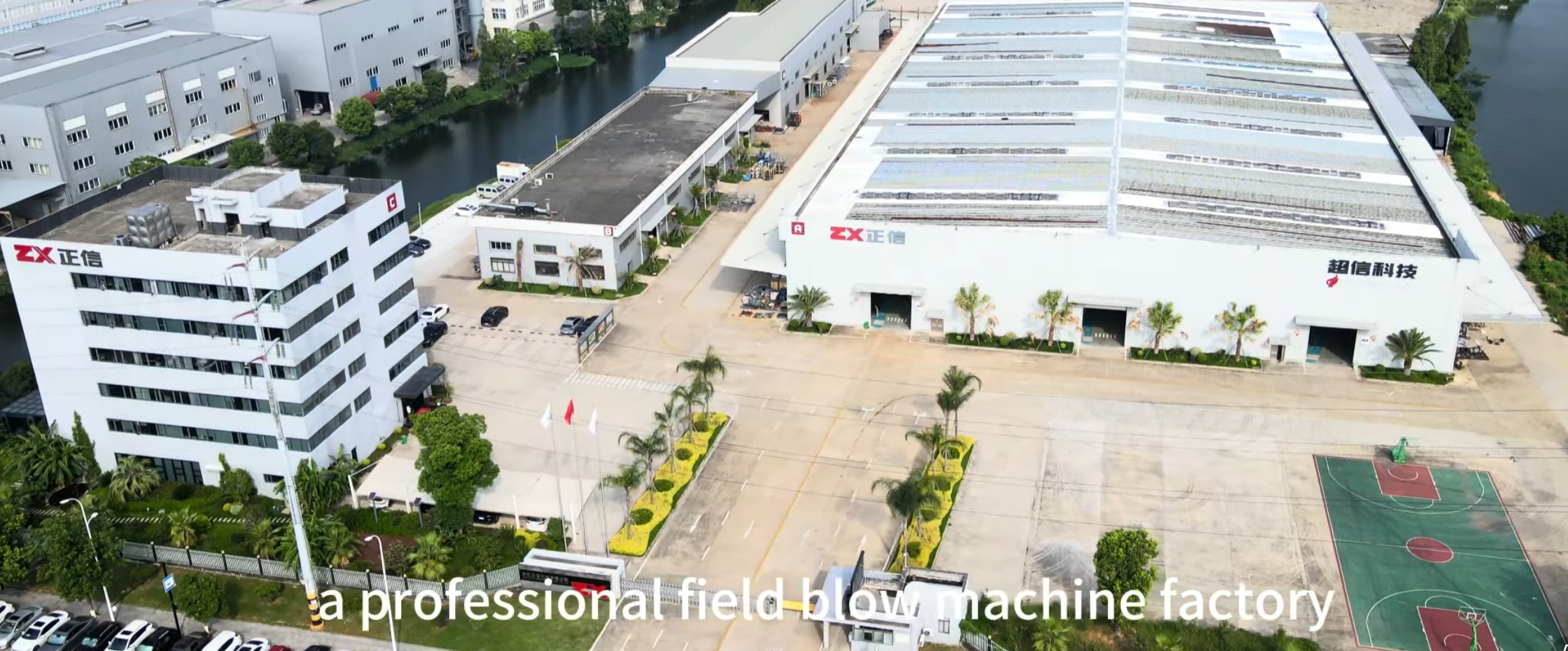
Final Thoughts Before Placing an Order
Ultimately, buyers should not decide which blown film machine to purchase based on price alone.
A smarter decision should be based on a full evaluation of the machine’s technical suitability, output stability, structural durability, component quality, energy efficiency, customization flexibility, and service support.
✔ Careful evaluation helps reduce investment risk.
✔ It also improves the possibility of achieving stable, efficient, and profitable production.
✔ At the same time, it ensures that the machine can support the company’s long-term development.
Summary
Checking technical specifications, component quality, customization capability, and after-sales support before ordering can help buyers choose a blown film machine with long-term reliable value.