Choosing the right 5 Layer Blown Film Machine often determines whether a manufacturer can achieve stable profits or continue to struggle with high scrap rates, inconsistent quality, and limited product types.
🔍 What Is a 5 Layer Blown Film Machine?
A 5 Layer Blown Film Machine is a plastic film production system that co-extrudes five different material layers into one integrated final film structure. These material layers are combined into one complete film bubble during the blown film process, and then pass through cooling, haul-off, flattening, and winding to become film rolls ready for downstream processing. Compared with single-layer or three-layer blown film equipment, a 5 Layer Blown Film Machine offers stronger adjustment capabilities in barrier performance, mechanical strength, heat sealing performance, thickness control, and cost optimization.
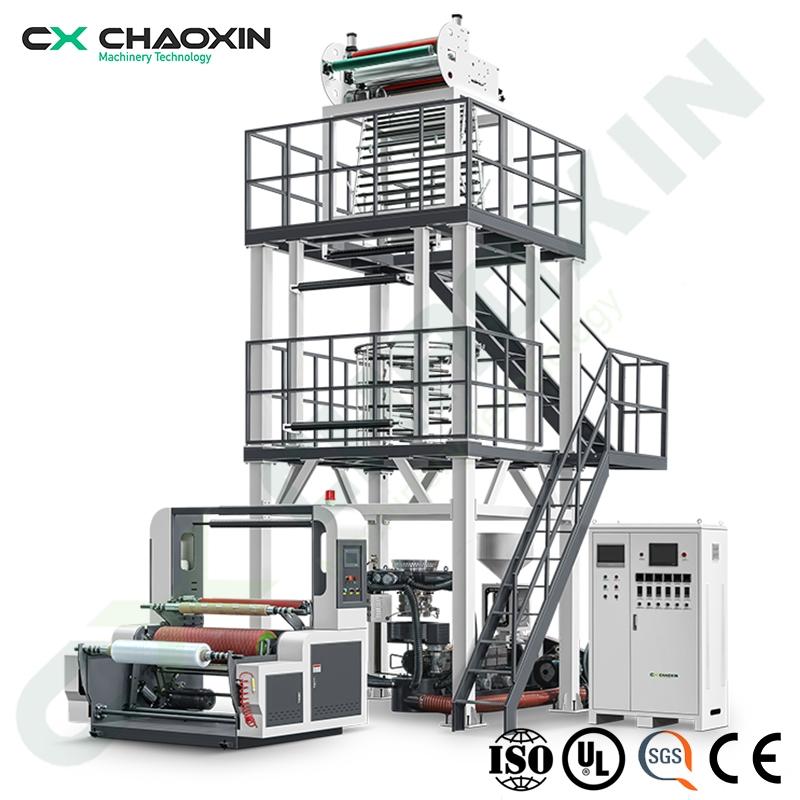
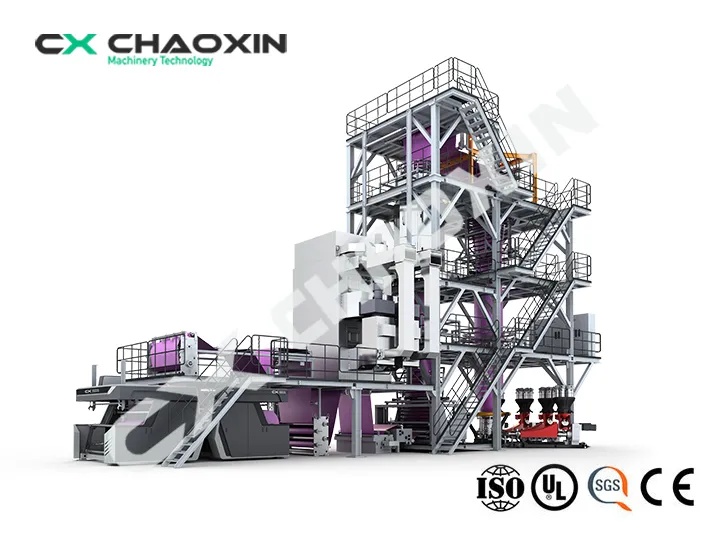
From a practical application perspective, each layer in a five-layer structure can take on a different function. For example:
- One layer can provide mechanical strength
- One layer can improve heat sealing performance
- One layer can enhance moisture resistance
- One layer can reduce overall material cost by using recycled material or filled modified material
Because of this, the 5 Layer Blown Film Machine has high value in the packaging industry. It enables film manufacturers to design product performance more precisely than with single-material film structures.
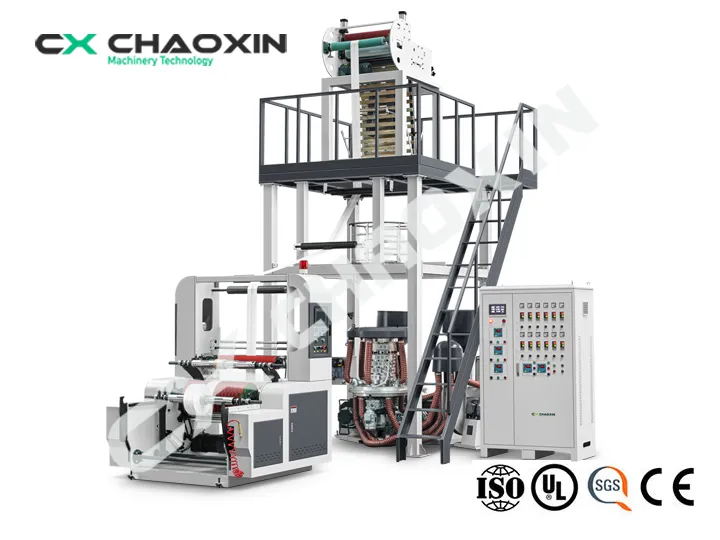
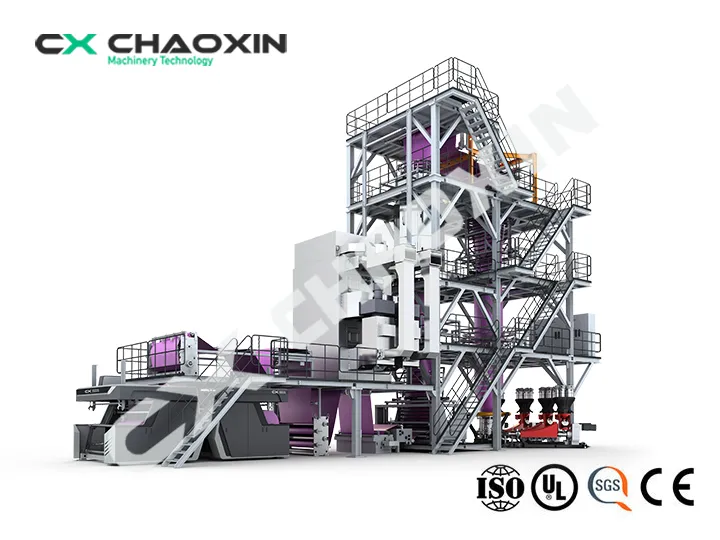
A modern 5 Layer Blown Film Machine usually includes:
- Multiple extruders
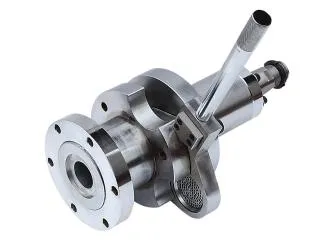
- Die head
- Air ring
- Cooling system
- Thickness control system
- Haul-off unit
- Corona treatment unit
- Winding equipment
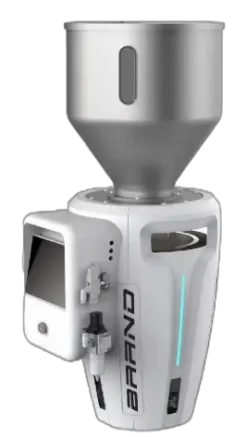
Higher-configuration models may also include automatic dosing systems, IBC internal cooling systems, rotating haul-off, loss-in-weight batching, and touchscreen control systems. These configurations help improve machine operating stability and reduce operator error.
For buyers, this type of equipment is not just a production machine, but also a long-term investment in production capacity and product capability. Companies that value quality control, customization ability, and large-scale production usually prefer equipment solutions that support flexible formulations, stable output, and complete after-sales service. This is especially important for companies serving export markets or OEM customers with strict film specification requirements.
🏭 Types and Applications of 5 Layer Blown Film Machines
There are several common configuration types of 5 Layer Blown Film Machine, and each type is suitable for different production goals. The most common way to distinguish them is by end-use film application. Some machines are mainly used for packaging film production, while others are better suited for producing:
- Agricultural film
- Industrial protective film
- Shrink film
- Laminating base film
- High-barrier film
Although the core principle is the same, there are often clear differences in die head design, screw configuration, output range, and control systems.
One common type is the ABA type or asymmetric five-layer structure. In this structure, the outer and inner layers are usually used mainly to control appearance and heat sealing performance, while the middle layers are used to optimize cost or improve strength. Another widely used type is the high-barrier film production line, which usually incorporates materials such as EVOH or PA to improve oxygen barrier performance. This is especially important in food packaging because it directly affects product freshness.
Heavy-duty 5 Layer Blown Film Machine configurations can also be used to produce thicker industrial films, such as:
- Pallet stretch hood film
- Liner film
- Construction film
Agricultural film models can be used to produce:
- Mulch film
- Greenhouse film
- Silage film
In these applications, durability, UV resistance, and environmental adaptability are often more important than appearance.
The reason five-layer technology is widely used is that it can solve multiple production challenges at the same time. In food packaging, it helps companies produce films with heat sealing performance, stiffness, puncture resistance, and freshness protection. In consumer goods packaging, it can provide films with better appearance and suitability for high-speed packaging lines. In agriculture, it is suitable for films that require weather resistance and outdoor stability. In industry, it helps improve toughness and reduce damage risk during transportation and storage.
For buyers, equipment type selection should also be considered together with the supplier’s manufacturing capability. A reliable equipment supplier should not only understand material characteristics, but also have customization ability and stable quality standards. For this reason, many industrial buyers prefer manufacturers with complete production systems, engineering support, and the ability to customize specifications for different markets.
✅ How to Choose the Right 5 Layer Blown Film Machine
Choosing the right 5 Layer Blown Film Machine is never just about comparing prices. Buyers also need to consider the following factors:
- Production goals
- Raw material structure
- Film width requirements
- Thickness range
- Output expectations
- Energy consumption performance
- Long-term after-sales support capability
The right machine should not only meet current production needs, but also leave room for future business expansion.
1) Define the Final Product Positioning
A company producing high-barrier food packaging film clearly has different equipment needs from a company producing ordinary shopping bags or agricultural film. Material compatibility is very important, because some film structures require higher standards in mixing performance, temperature control accuracy, and screw design. If the company mainly produces PE structure films, the machine configuration may differ from a production line designed for EVOH, PA, or other barrier material structures.
Before selecting the equipment model, buyers should also clarify:
- Required film width
- Thickness tolerance requirements
- Target hourly output
These factors will directly affect the selection of the full production line specification.
2) Evaluate Machine Configuration
Key factors to focus on include:
- Screw diameter
- L/D ratio
- Die head design
- Cooling efficiency
- Production line speed
- Automation level
- Winding quality
A stable 5 Layer Blown Film Machine should be able to achieve uniform thickness, stable bubble performance, and easy order changeover. A higher level of automation can also reduce dependence on operator experience, especially for factories supplying large-volume customers.
3) Carefully Evaluate the Supplier
This point is often underestimated. Some machines may look very competitive on paper, but if the supplier lacks engineering experience or after-sales response capability, many problems may still appear in actual production. Buyers should focus on evaluating:
- Factory scale
- Production management capability
- Export experience
- Spare parts support
- Customization ability
Reliable manufacturers usually have standardized quality inspection systems, experienced technical teams, and overseas supply experience. These factors are especially important for companies that value standard consistency, communication efficiency, and long-term cooperation.
4) Consider Total Cost of Use
The cheapest 5 Layer Blown Film Machine is not always the most economical choice. Buyers should also consider:
- Energy consumption
- Scrap rate
- Downtime
- Maintenance frequency
- Finished film quality
The ideal purchasing decision should balance initial investment with stable output, low waste, and stronger market competitiveness.
📦 Application Fields
The 5 Layer Blown Film Machine is widely used because the performance requirements of the modern film market often exceed the capabilities of single-layer equipment.
Food Packaging
In food packaging, five-layer blown film is commonly used to produce:
- Frozen food bags
- Vacuum packaging film
- Meat packaging film
- Liquid packaging film
- Dry food packaging bags
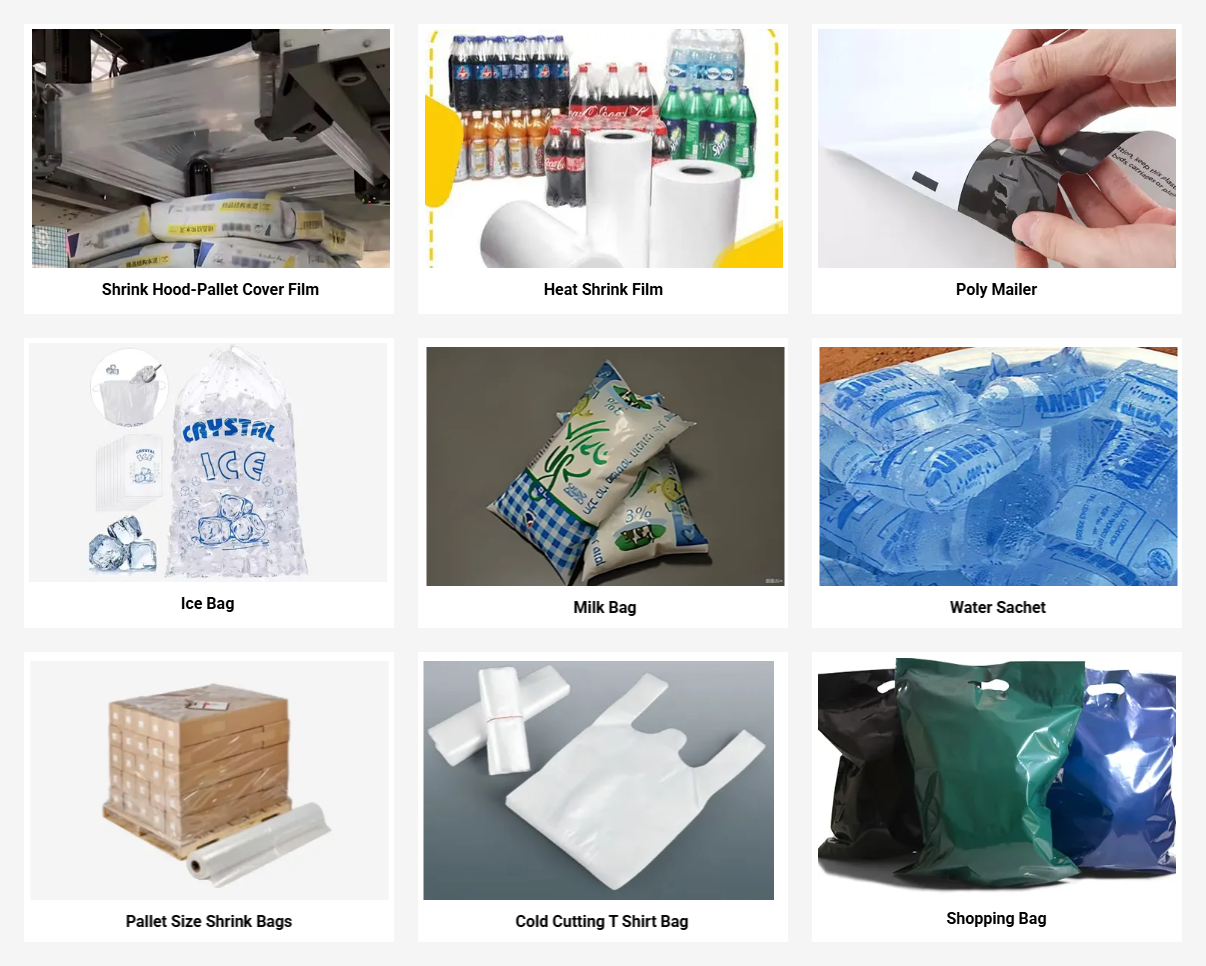 A multi-layer structure can significantly improve seal integrity, puncture resistance, aroma retention, and shelf-life performance. These advantages help brand owners better protect product quality and reduce packaging failure rates.
Consumer Goods and Retail Packaging
In consumer goods and retail packaging, this equipment is commonly used to produce:
- Shopping bags
- Garment bags
- Hygiene product packaging
- Courier bags
- Flexible outer packaging film
In this field, the core value of the 5 Layer Blown Film Machine usually lies in balancing appearance and cost control. The outer layers can provide gloss, printability, or softness, while the inner layers are responsible for strength and heat sealing performance. In this way, manufacturers can deliver better-looking packaging products without heavily relying on high-cost raw materials.
Agricultural Film
Agriculture is also an important application market for the 5 Layer Blown Film Machine. Mulch film, greenhouse film, and agricultural protective film can all benefit from multi-layer structures, because different layers can separately handle weather resistance, toughness enhancement, or processing improvement. For example:
- One layer can improve UV resistance
- Another layer can improve mechanical durability
This layered design gives the 5 Layer Blown Film Machine clear advantages in agricultural environments, because film performance directly affects crop management efficiency and overall growing results.
Industrial Packaging
Industrial packaging is another important application area, with common products including:
- Stretch hood film
- Protective liner film
- Pallet stretch film
- Heavy-duty transport packaging film
In these applications, the five-layer structure helps manufacturers meet higher transportation and storage strength requirements. Some companies also use this equipment to produce laminating base films and functional films for more advanced downstream processing needs.
From a business perspective, this wide application range means the 5 Layer Blown Film Machine can help companies diversify their product portfolio. A factory may start by serving only one market, but as customer requirements increase, it can gradually move into higher value-added film segments. This flexibility is one of the important reasons why many experienced buyers prefer this type of equipment.
Is a 5 Layer Blown Film Machine Right for You?
For companies that are no longer satisfied with basic film production, a 5 Layer Blown Film Machine is often the right choice. If a manufacturer wants to achieve:
- Better film performance
- Less material waste
- A wider product range
- Stronger cost control capability
then upgrading to five-layer technology is often a reasonable direction.
This type of equipment is especially suitable for companies serving customer groups with clear technical requirements, such as:
- Packaging converters
- Food packaging suppliers
- Agricultural film producers
- Industrial film manufacturers
When product differentiation becomes increasingly important, the value of this type of equipment becomes even more obvious. In highly competitive markets, customers often demand:
- Higher film strength
- Better heat sealing performance
- Better barrier effect
- More stable thickness tolerance
Single-layer equipment usually cannot meet these requirements consistently over the long term. In contrast, a 5 Layer Blown Film Machine allows manufacturers to adjust formulations and layer functions more flexibly without sacrificing overall performance.
For companies planning to expand in scale, this type of equipment is also attractive. If output continues to grow, customer specifications keep upgrading, or the company wants to enter mid- to high-end film markets, five-layer technology is more helpful in supporting that growth. It enables more efficient raw material allocation and can improve profitability when managed properly. In the long run, this helps companies move from simple price competition to more sustainable value competition.
Of course, this type of machine is not necessarily suitable for every buyer. If the company’s product line is relatively simple, output is low, and customer requirements are basic, then choosing a smaller or simpler machine may be more practical. This is because five-layer technology usually means:
- Higher investment cost
- Stronger technical management requirements
- Stricter process control capability
Therefore, before investing, buyers should fully evaluate whether they already have the right personnel structure, maintenance capability, and production management level.
For companies that value reliable manufacturing, customization capability, long-term efficiency, and supplier professionalism, the 5 Layer Blown Film Machine is usually a strategic investment worth serious consideration. It is not just a blown film machine, but an important platform for improving product value, production flexibility, and market competitiveness.
In many cases, the best results often come from working with a supplier that truly understands both the equipment and the end-use application requirements. Buyers should focus on partners with the following capabilities:
- Complete production system
- Strict quality control
- Efficient and timely communication
- Ability to adjust machine specifications for different markets
These are also the core capabilities that many internationally oriented manufacturers value most when building long-term partnerships.
Ultimately, whether to choose a 5 Layer Blown Film Machine depends on the company’s development goals. If the goal is to improve film quality, reduce losses, enter more demanding application fields, and strengthen market competitiveness, then the 5 Layer Blown Film Machine deserves serious consideration.
✍️ Summary
A well-matched 5 Layer Blown Film Machine can improve film quality, expand application range, and enhance overall production efficiency. For manufacturers pursuing scale, flexibility, and high-quality growth, it is usually an equipment investment worth making.