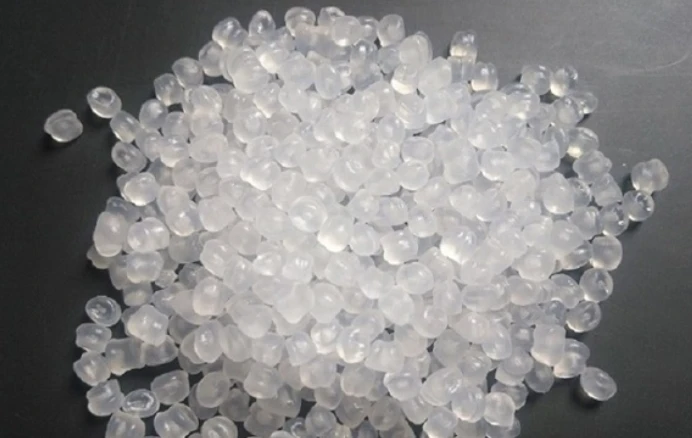
(I) Properties:
Polypropylene is light in weight, with a density of 0.900.91 g/cm², making it the lightest among general-purpose plastics. Polypropylene has excellent heat resistance. Its long-term service temperature can reach 100120℃, and its service temperature without load can reach 150℃. Polypropylene is the only general-purpose plastic that can be boiled in water and withstand a sterilization temperature of 135℃. Therefore, it can be used to manufacture pipes for conveying hot water. The low-temperature resistance of polypropylene is not as good as that of polyethylene, and its catalytic temperature is -10℃~-13℃ (polyethylene is -60℃). Its impact resistance at low temperature and even at room temperature is not good. Easy brittle cracking at low temperature is the main disadvantage of polypropylene. Polypropylene is a non-polar material with excellent chemical stability, and the higher the crystallinity, the better the chemical stability. Except for strong oxidative acids (such as fuming sulfuric acid and nitric acid), no solvent at room temperature has yet been able to dissolve polypropylene; only low-molecular-weight aliphatic hydrocarbons, aromatic hydrocarbons, and chlorinated hydrocarbons can soften or swell it. Its water absorption is very small, with a water absorption rate of less than 0.01%. Polypropylene is easily aged by the action of light, heat, and oxygen during molding and use. Polypropylene becomes aged and brittle after 12 days in the atmosphere, and it will deteriorate after being placed indoors for 4 months. Usually, ultraviolet absorbers, antioxidants, carbon black, and zinc oxide need to be added to improve the weather resistance of polypropylene products.
The mechanical strength, rigidity, and stress crack resistance of polypropylene all exceed those of high-density polyethylene, and it also has outstanding elongation and flexural fatigue resistance. Living hinges made from it showed no signs of damage even after 70 million bending tests.
Polypropylene has excellent electrical insulation properties, especially high-frequency insulation performance, and its dielectric breakdown voltage strength is also high. In addition, because of its low water absorption, it can be used as heat-resistant insulating material for radios and televisions operating at 120℃.
(II) Uses:
Polypropylene has excellent overall performance and can be made into various products by injection molding, extrusion molding, and blow molding. Among these applications, injection-molded products rank first, including daily utensils, entertainment and sporting goods, toys, etc.; automotive parts, such as battery casings, air-conditioning parts, radiator blades, etc.; hard packaging, such as medical washing containers, covers, and cosmetic boxes; and mechanical parts, such as washing machine tubs, agitators, and air pipes. Extruded products include electric wires, cables, films, sheets, and pipes. Films are mainly used for packaging clothing, knitwear, video products, cigarettes, etc. Blow-molded products include containers and bottles.
Polypropylene fibers are divided into filaments (monofilaments, multifilaments, bulked yarns) and staple fibers. The fibers can replace natural fibers such as cotton, hemp, silk, and wool. They are mainly used in the production of woven and knitted products, such as carpets, sofa fabrics, binding materials, ropes, and woven bags.